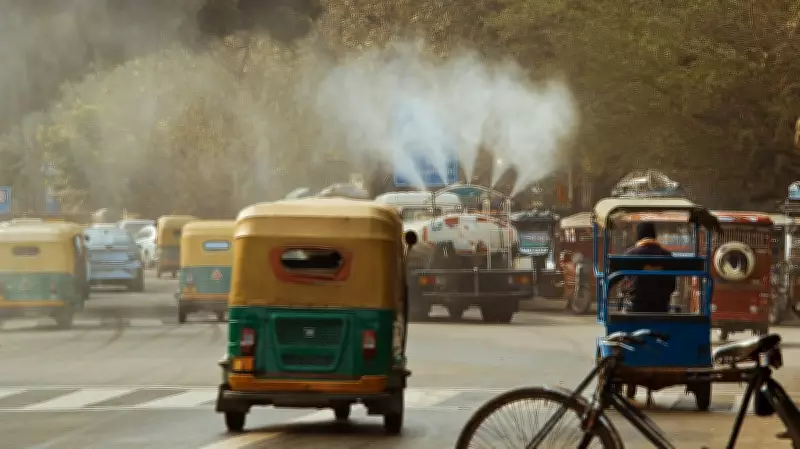
NGT Issues Notice on Plea Declaring Air Pollution a National Health Emergency
The National Green Tribunal (NGT) has taken a significant step in addressing India's escalating air pollution crisis by issuing a formal notice on a compelling plea. This legal action underscores the grave reality that breathing, a fundamental human function, has transformed into a severe health hazard across the nation.
Plea Highlights Persistent and Widespread Pollution Crisis
The petition presented to the NGT argues forcefully that air pollution in India is no longer an episodic or seasonal issue confined to specific regions or times of the year. Instead, it has evolved into a persistent, year-round condition that poses a continuous threat to public health. This alarming shift indicates a systemic failure in environmental management and pollution control measures.
The plea emphasizes that the crisis affects both densely populated urban centers and rural areas, debunking the myth that pollution is solely an urban problem. From megacities grappling with vehicular and industrial emissions to agricultural regions suffering from crop residue burning, the toxic air knows no boundaries, impacting millions of Indians daily.

Health Implications and Legal Ramifications
By framing air pollution as a health hazard, the plea draws attention to the dire consequences for respiratory and cardiovascular systems. Studies have linked prolonged exposure to polluted air with increased rates of asthma, lung cancer, and other chronic diseases, making this not just an environmental issue but a critical public health emergency.
The NGT's notice signals a potential turning point in legal and policy responses, as the tribunal is known for its proactive stance on environmental matters. This move could pave the way for stricter regulations, enhanced monitoring, and more robust enforcement mechanisms to combat pollution sources.
Broader Context and Future Outlook
This development comes amid growing global concern over air quality and its impact on human well-being. In India, efforts such as the National Clean Air Programme have been implemented, but the plea suggests these are insufficient given the scale and persistence of the problem.
Key points from the plea include:
- Air pollution is now a constant, year-round threat rather than a seasonal phenomenon.
- Both urban and rural populations are equally vulnerable to its harmful effects.
- Immediate and comprehensive action is required to safeguard public health and the environment.
As the NGT reviews this plea, stakeholders from government agencies to civil society are watching closely. The outcome could influence future environmental litigation and policy-making, emphasizing the urgent need for sustainable solutions to ensure clean, breathable air for all citizens.