Indian Cabinet Greenlights Major Climate Action Strategy with 2035 Emission Target
The Union Cabinet of India has formally approved a new and comprehensive set of climate action plans, setting an ambitious national target to achieve a 47% reduction in emissions by the year 2035. This significant policy move underscores India's strengthened commitment to global environmental goals and sustainable development.
Minister Vaishnaw Details Financial Framework for Implementation
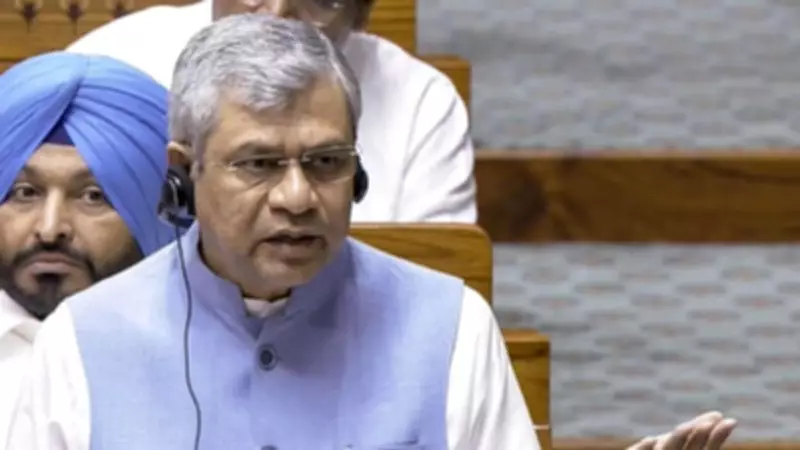
Following the Cabinet's decision, Union Minister Ashwini Vaishnaw addressed the critical question of financing for these extensive climate initiatives. He emphasized that the sources for such low-cost finance would be diverse and strategically sourced.
"The financial architecture to support this transition will be robust and multifaceted," Minister Vaishnaw stated. He outlined that potential funding streams could range from traditional avenues like Overseas Development Assistance (ODA) and various multilateral climate funds to more innovative sources.

Notably, the Minister pointed to global pension funds as a key potential investor group, highlighting that these institutions are consistently seeking stable, long-term investment opportunities that align with sustainable and green projects.
Strategic Implications and Broader Context
This approval marks a pivotal step in India's environmental policy framework. The detailed action plans are expected to encompass sectors such as energy, transportation, industry, and agriculture, driving a nationwide transition towards cleaner technologies and practices.
The involvement of large-scale institutional investors like pension funds indicates a strategic shift towards blending public policy with private capital, aiming to de-risk green investments and ensure the economic viability of the climate transition.
This development positions India on a clear trajectory to meet its international climate commitments while fostering new avenues for green finance and sustainable economic growth. The Cabinet's decision is anticipated to catalyze further policy measures and public-private partnerships in the coming years to realize the 2035 emission reduction goal.