Major Power Outage Plunges Western Cuba Into Darkness
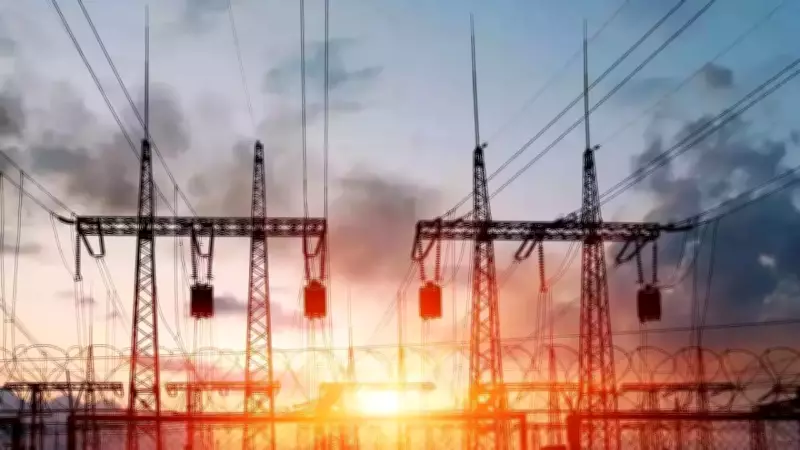
A widespread blackout struck western Cuba on Wednesday, leaving millions of residents in Havana and across the region without electricity. This latest outage highlights the severe challenges facing an island nation grappling with dwindling oil reserves and a deteriorating electrical infrastructure.
Official Response and Restoration Timeline
Government radio station Radio Rebelde reported that energy officials estimate it could take up to 72 hours to restore operations at Cuba's largest thermoelectric power plant, which experienced a shutdown that triggered the massive outage. The state electric utility confirmed on social media platform X that the power failure affected communities stretching from Pinar del Rio in the west to Camaguey in central Cuba.
Prime Minister Manuel Marrero Cruz met with Energy and Mines Minister Vicente de la O Levy to coordinate restoration efforts. "We trust in the experience and effort of the electrical workers to overcome this situation in the shortest possible time," Marrero stated on X. Meanwhile, de la O Levy announced that one affected power plant had already been restored to operation, while acknowledging the "complex energy situation" facing the National Electric System.

Root Cause: Plant Failure and Infrastructure Issues
State media identified the specific cause as a shutdown at the Antonio Guiteras thermoelectric power plant located east of Havana. According to Radio Rebelde, a pipe burst in the plant's boiler caused a water leak that subsequently ignited a fire. Firefighters successfully extinguished the blaze without significant damage, but the incident forced the plant offline.
Roman Perez Castaneda, technical director of the plant, explained the restoration process requires multiple steps:
- Locating the exact fault in the system
- Determining the appropriate repair methodology
- Executing the necessary repairs
- Restarting and synchronizing the unit with the national grid
Impact on Daily Life and Transportation
The blackout created immediate hardships for residents across affected areas. Odalis Sanchez, a 63-year-old recovering from recent surgery, found herself stranded on the street with her grandson. "I need to be able to get home to see what I can do," she explained. "Without power, you can't do anything. My grandson also is studying and I have to make him food. Public transportation isn't helping."
Approximately 200 people gathered at a bus stop near Sanchez, but buses remained idle due to fuel shortages. Many resorted to hitchhiking or seeking alternative transportation methods to reach their destinations.
Broader Energy Crisis Context
This marks the second major outage affecting Cuba's western region within three months. In early December, a previous blackout lasted nearly 12 hours after a transmission line fault caused system overload and collapse in the western sector.
Cuba's energy woes have intensified following geopolitical developments:
- U.S. actions against Venezuela in early January disrupted critical petroleum shipments to Cuba
- Former U.S. President Donald Trump threatened tariffs on countries supplying oil to Cuba
- The island already faced generation deficits and fuel supply interruptions before these recent developments
Last month, the Cuban government implemented strict fuel-saving measures and warned that jet fuel would be unavailable at nine airports until mid-March.
Resident Resilience Amid Challenges
Despite the difficulties, Cuban residents demonstrated characteristic resilience. Ernesto Couto Martinez, 76, expressed determination while seeking transportation home. "We must keep fighting. There's no other way," he stated. "We have to move forward, blockade or no blockade."
The blackout underscores the urgent need for infrastructure investment and energy solutions in Cuba as the nation confronts multiple challenges affecting its power generation and distribution capabilities.