Iran's Future After Khamenei: Calls for Freedom Amidst Clerical Power Struggles
As Iran navigates the post-Khamenei era, citizens are increasingly vocal in their demands for freedom, seeking to shape their nation on their own terms. However, the current political landscape, marked by interim leadership and widespread mourning rallies, poses significant risks that could inadvertently strengthen clerical authority rather than advance meaningful reform.
The Rise of Public Demands for Freedom
In the wake of Ayatollah Ali Khamenei's leadership, Iranians from various walks of life are expressing a strong desire for greater personal and political freedoms. This movement reflects a deep-seated yearning for change, with many advocating for reforms that prioritize individual rights and democratic principles. The calls for freedom are not just sporadic protests but part of a broader, sustained push to redefine Iran's societal and governmental structures.
Public gatherings and online activism have become key platforms for these demands, highlighting a growing disconnect between the populace and the entrenched clerical establishment. Despite facing repression, Iranians continue to assert their aspirations, emphasizing that any future governance must align with their vision for a more open and equitable society.

Interim Leadership and Mourning Rallies: A Double-Edged Sword
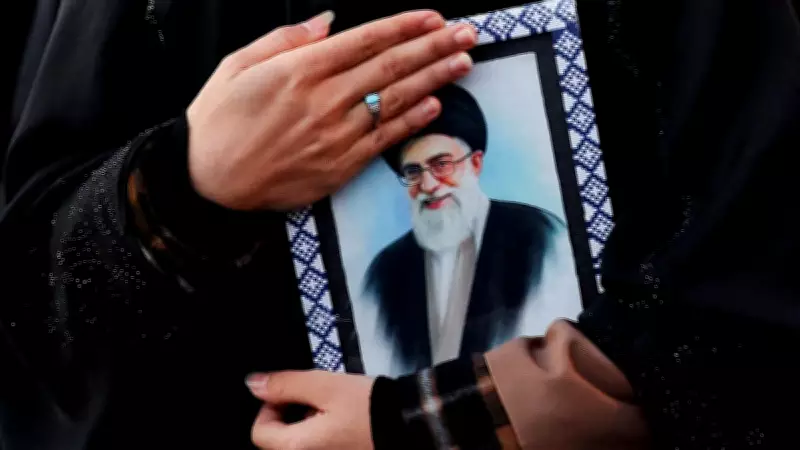
The establishment of interim leadership following Khamenei's era has introduced a period of uncertainty, with temporary figures stepping in to maintain stability. While intended to provide a transitional framework, this setup risks consolidating power within the existing clerical hierarchy, potentially sidelining reformist voices. Mourning rallies, organized to honor Khamenei and other figures, further complicate the situation by mobilizing public sentiment in ways that could reinforce traditional power structures.
These events often serve as platforms for clerical elites to assert their influence, using emotional appeals to garner support and marginalize opposition. As a result, the very mechanisms meant to facilitate a smooth transition may end up entrenching the status quo, making it harder for progressive changes to take root. Analysts warn that without careful management, this dynamic could lead to a backlash, where public frustration grows and demands for freedom become more radicalized.
Challenges to Advancing Reform in Iran
Advancing reform in Iran faces numerous obstacles, primarily due to the resilient nature of clerical power. Key challenges include:
- Institutional resistance: The clerical establishment has deep roots in Iran's political and legal systems, making it difficult to implement changes that threaten their authority.
- Public polarization: While many Iranians seek freedom, others remain loyal to traditional values, creating divisions that can be exploited by power-holders.
- External pressures: International relations and economic sanctions add layers of complexity, influencing domestic politics and reform efforts.
To overcome these hurdles, reformers must navigate a delicate balance, advocating for incremental changes while building broad-based coalitions. The path forward requires not only addressing immediate grievances but also fostering long-term dialogue and trust between different societal segments. Without such efforts, the risk remains that interim measures and symbolic rallies will merely perpetuate clerical dominance, delaying the freedom that many Iranians passionately demand.