

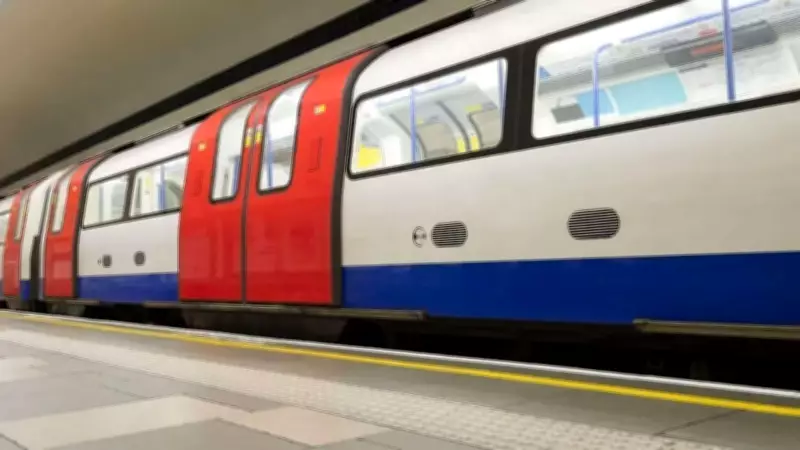
London Underground Strikes Trigger Widespread Commuter Disruption
Commuters in the United Kingdom's capital are preparing for significant travel chaos as London Underground drivers initiate a 24-hour strike starting at midday on Tuesday. This industrial action, organized by the Rail, Maritime and Transport union (RMT), is anticipated to severely impact services across the network, with some lines completely suspended and others operating on reduced schedules. A second 24-hour strike is scheduled to begin at midday on Thursday, extending into Friday, further exacerbating the disruption for millions of daily passengers.
Strike Schedule and Service Impacts
The strike timeline unfolds as follows: On Tuesday, normal services will run until late morning, with disruption intensifying after midday and continuing through the 24-hour period. Wednesday will see a delayed start, with no trains operating before 7:30 AM, and lingering effects until midday. Thursday mirrors Tuesday's pattern, with the strike commencing at midday, while Friday experiences a gradual recovery with delayed services. Authorities have advised passengers to complete their journeys by 8 PM on strike days, as operations will wind down early due to the industrial action.
Affected Lines and Alternative Transport Options
Transport officials have issued warnings of significant disruption across most Underground lines. Specific routes expected to have no service include the Piccadilly Line, Circle Line, Metropolitan Line between Baker Street and Aldgate, and the Central Line between White City and Liverpool Street. Other lines will run limited and less frequent services, likely leading to overcrowded trains. However, alternative transport networks such as the Elizabeth line, Docklands Light Railway (DLR), London Overground, and trams are projected to operate normally, providing some relief for commuters.

Causes of the Industrial Action
The dispute centers on Transport for London's proposed shift to a four-day working week for drivers. While TfL describes the plan as voluntary and aimed at offering flexibility without pay reductions, the RMT union argues that longer working days could result in fatigue and compromise safety. Instead, the union is advocating for a 32-hour work week over four days with no loss in pay. RMT general secretary Eddie Dempsey has criticized TfL for a lack of concessions, stating that negotiations have reached a deadlock. In contrast, another drivers' union, Aslef, supports the proposal, viewing it as a progressive move toward a shorter workweek.
Broader Impacts and Passenger Guidance
Beyond the Underground, some London bus services will also be affected later in the week, with a separate strike involving certain Stagecoach-operated routes expected on Friday, potentially adding to commuter difficulties. Authorities are urging passengers to check live travel updates and plan their journeys in advance, anticipating delays and overcrowding throughout the strike period. Despite the widespread disruption, officials note that the impact may be less severe than previous strikes, as not all unions are participating in this round of industrial action.






