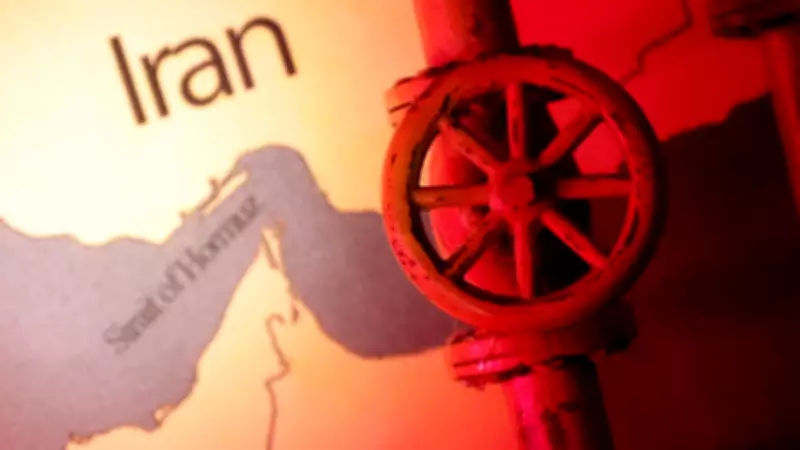
Iran Vows to Fire on Ships in Strait of Hormuz as US Military Disputes Closure Claims
In a dramatic escalation of tensions in the Persian Gulf, Iran has issued its most explicit warning to date, threatening to fire on any ship attempting to pass through the strategically vital Strait of Hormuz. This announcement comes in the wake of recent United States and Israeli military strikes on Iranian territory, which Tehran claims prompted its decision to close this crucial export route for global oil shipments.
Heightened Maritime Standoff in the Gulf
The Iranian declaration represents a significant hardening of its position, directly linking the potential closure of the strait to retaliatory actions against perceived aggressions. The Strait of Hormuz serves as a chokepoint for approximately one-fifth of the world's oil supply, making any disruption a matter of grave international concern. Iranian authorities have stated that this move is a direct response to the strikes, framing it as a defensive measure to protect national sovereignty.
However, the United States military has swiftly countered Iran's claims, asserting that the Strait of Hormuz is not closed and remains open for navigation. US officials have emphasized their commitment to ensuring freedom of navigation in international waters, underscoring the strategic importance of maintaining open sea lanes in this region. This conflicting narrative sets the stage for a potential confrontation, with both sides digging in their heels over the status of the waterway.

Global Implications and Regional Reactions
The threat to close the Strait of Hormuz carries profound implications for global energy markets and geopolitical stability. Gulf countries, heavily reliant on this route for their oil exports, are closely monitoring the situation, with concerns mounting over potential supply disruptions. The international community, including major oil-importing nations, is urging restraint and diplomatic resolution to prevent further escalation.
Analysts note that Iran's warning marks a dangerous turn in the ongoing tensions, as it directly challenges maritime security norms. The situation underscores the fragile balance of power in the Middle East, where regional rivalries and external interventions frequently intersect. As of now, the US military maintains a visible presence in the area, ready to respond to any attempts to impede shipping, while Iran's forces are on high alert, prepared to enforce their declared closure.
The world watches anxiously as this standoff unfolds, with the potential to trigger broader conflicts or economic shocks. Diplomatic efforts are underway to de-escalate the crisis, but the starkly opposing statements from Iran and the United States suggest that a quick resolution may be elusive. The coming days will be critical in determining whether the Strait of Hormuz remains a conduit for global trade or becomes a flashpoint for military engagement.