World Wildlife Day 2026: India's Wildlife Sanctuaries as Guardians of Medicinal Flora
Each year on March 3rd, World Wildlife Day serves as a global reminder of our planet's incredible biodiversity and the urgent need for its conservation. The theme for 2026, "Medicinal and Aromatic Plants: Conserving Health, Heritage, and Livelihoods," shifts focus from charismatic megafauna to the often-overlooked botanical treasures that sustain traditional healing systems and rural economies. In India, where ancient medical traditions like Ayurveda, Siddha, Unani, and various tribal practices remain deeply rooted, wild medicinal plants are not just ecological assets but cultural heritage. Remarkably, many of these vital species thrive within the protected boundaries of national parks and wildlife reserves—landscapes celebrated for tigers and elephants, yet equally crucial as repositories of rare herbs, aromatic shrubs, and therapeutic trees.
Valley of Flowers National Park, Uttarakhand: An Alpine Pharmacy
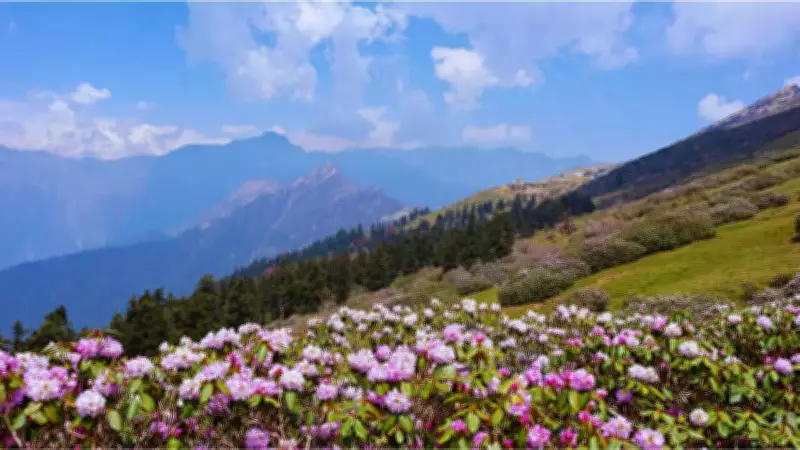
Nestled in the high altitudes of Uttarakhand's Chamoli district, this UNESCO World Heritage Site bursts into a vibrant tapestry of colors during the monsoon season. Beyond its breathtaking beauty lies a rich collection of medicinal herbs adapted to extreme conditions. The park's elevation, ranging from 3,200 to 6,700 meters, creates unique ecological niches that support rare Himalayan botanicals such as Aconitum, Picrorhiza kurroa (known as kutki and valued for liver ailments), and Dactylorhiza hatagirea. These plants cannot survive elsewhere, making this valley a critical sanctuary for alpine medicinal flora.
Great Himalayan National Park, Himachal Pradesh: A Rugged Herbal Haven
Spanning the rugged valleys of Himachal Pradesh, this UNESCO-listed park stands as one of India's most significant landscapes for medicinal plants. Its varied elevations host a diversity of species, including Saussurea costus (kuth), historically traded for its aromatic roots; Aconitum heterophyllum (atis), a key ingredient in Ayurvedic medicines; and Nardostachys jatamansi (spikenard), prized for its fragrance. Conservation initiatives here are essential for regulating the sustainable use of these high-value Himalayan herbs, balancing ecological preservation with traditional needs.

Khangchendzonga National Park, Sikkim: A Glacial Garden of Healing
Dominated by majestic glaciers and sacred peaks, this Eastern Himalayan park is a botanical wonderland with over 4,500 plant species. Among them are medicinal varieties like Himalayan ginseng (Panax pseudoginseng) and alpine rhubarb, both integral to traditional medicine. Indigenous communities in the region continue to harness this floral richness, blending conservation efforts with ancestral knowledge to protect these natural resources for future generations.
Periyar Tiger Reserve, Kerala: Beyond the Big Cats
While famous for its iconic wildlife, Periyar Tiger Reserve also shelters wild relatives of black and white peppers, cardamoms, and other aromatic plants in its understory, all used in traditional healing practices. The tribal populations in and around Periyar possess deep ethnobotanical knowledge of these forests, highlighting how biodiversity conservation supports both ecological health and cultural heritage.
Singalila Region and National Park, West Bengal: High-Altitude Herbal Hotspots
The Singalila ridge in West Bengal encompasses several areas rich in potent alpine herbs. Beekay Bhanjan features high-altitude zones with species like various Aconitum plants, which are processed for medicinal use due to their toxicity in raw form. The cool climate here fosters a unique mix of Himalayan flora. Singalila National Park itself is botanically diverse, supporting Himalayan Yew (whose bark contains cancer-fighting compounds), Berberis, and Podophyllum hexandrum, all traditionally used for medicinal purposes. The park's altitudinal gradient creates ideal conditions for a wide range of medicinal plants.

Tonglu and Dhotrey, West Bengal: Village Sanctuaries
These high-altitude Himalayan villages, located within and around Singalila National Park, are renowned for their dense concentrations of medicinal herbs such as Swertia chirayita (chirata), Aconitum, and Berberis. They exemplify how local communities coexist with and protect these botanical treasures.
As World Wildlife Day 2026 approaches, it's clear that India's wildlife parks and reserves are not just refuges for animals but vital strongholds for medicinal and aromatic plants. These ecosystems play a dual role: safeguarding biodiversity and preserving the natural foundations of traditional healing systems that have sustained health and livelihoods for centuries. Through continued conservation efforts, these sanctuaries ensure that future generations can benefit from both the wildlife and the wild flora that define India's natural heritage.