

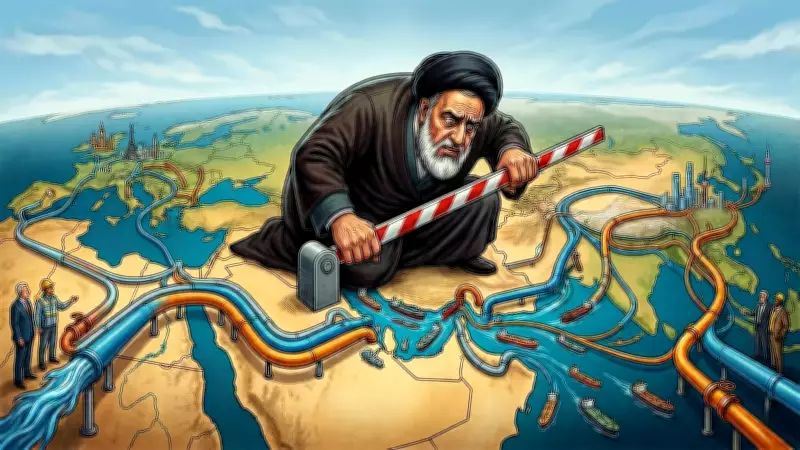
Decoding The Hormuz Shock: A New Era in Energy Market Turmoil
The ongoing energy crisis linked to the Iran war represents a fundamental shift from previous market shocks, as oil and gas prices are not merely climbing but undergoing violent repricing centered on disruption risk. This phenomenon, dubbed the "Hormuz Shock," highlights how geopolitical tensions are reshaping global energy dynamics in unprecedented ways.
Market Volatility and Supply Disruptions
On March 20, Brent crude oil settled at $112.19 per barrel, marking its highest price since July 2022. This surge followed the removal of approximately 440 million barrels from global supply over a 22-day period, directly impacting market stability and investor sentiment. The sharp price movements underscore the sensitivity of energy markets to geopolitical events, with supply constraints driving rapid adjustments.
Risk Reassessment and Price Fluctuations
By March 24, Brent crude experienced a significant selloff, dropping to around $101 per barrel as hopes for de-escalation briefly tempered market fears. However, this decline was short-lived, as prices quickly rebounded due to a reassessment of the risk of prolonged disruption. This volatility demonstrates how energy markets are continuously evaluating the potential for extended supply interruptions, leading to erratic pricing behavior.

Key factors driving this repricing include:
- Geopolitical instability in the Middle East, particularly around the Strait of Hormuz.
- Increased disruption risk from conflict-related supply chain issues.
- Market reactions to diplomatic developments and de-escalation efforts.
The Hormuz Shock is characterized by its departure from traditional energy crises, where price increases were more gradual. Instead, current conditions involve rapid and severe adjustments, reflecting heightened uncertainty and the complex interplay of global factors. As markets navigate this turbulent period, the focus remains on how prolonged disruptions could further strain energy resources and economic stability worldwide.






