Gujarat Assembly Approves Uniform Civil Code Bill Following Extensive Debate
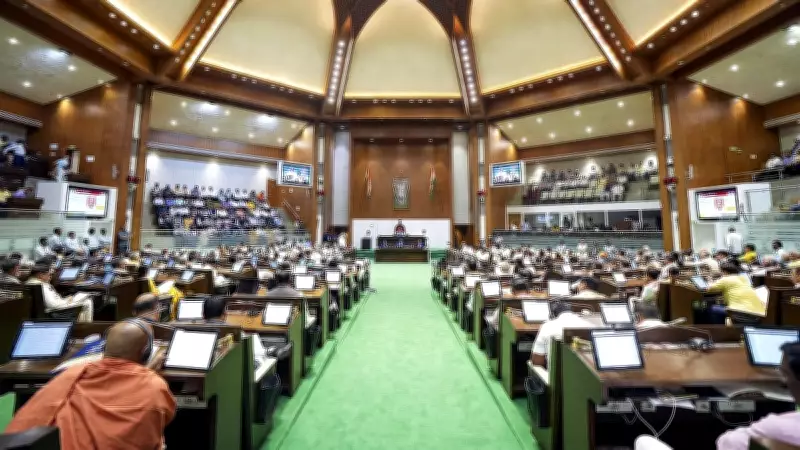
The Gujarat Legislative Assembly has officially passed the Uniform Civil Code (UCC) Bill after a marathon debate that lasted for over seven hours. The significant legislative move occurred on March 24, 2026, marking a pivotal moment in the state's legal and political landscape.
Key Provisions of the UCC Legislation
The newly approved bill proposes a comprehensive common legal framework designed to govern critical personal matters uniformly across all religious communities. This includes regulations for marriage, divorce, succession, and live-in relationships. The legislation aims to standardize these aspects of civil law, moving away from religion-specific personal laws that have historically governed these areas in India.
Political Dynamics and Opposition Response
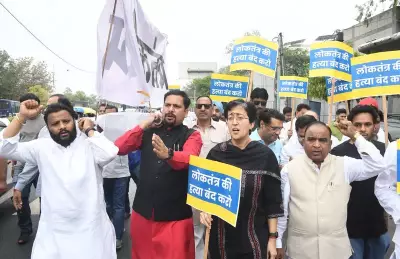
The bill was passed with a majority voice vote, reflecting strong support from the ruling party. However, the passage was not without significant contention. The opposition, led by the Congress party and the Aam Aadmi Party (AAP), expressed strong disapproval and did not approve the bill. Both opposition parties demanded that the legislation be sent to a select committee for further review and scrutiny, arguing that such a transformative law requires more detailed examination and potential amendments.

Despite these objections, the assembly proceeded with the vote, highlighting the intense political divide on this issue. The debate was characterized by heated exchanges and robust discussions on the implications of implementing a uniform civil code in a diverse state like Gujarat.
Implications and Future Steps
The passage of the UCC Bill in Gujarat sets a precedent for other states in India considering similar legislation. It represents a significant step toward legal uniformity in personal matters, which has been a longstanding topic of national debate. Proponents argue that it promotes equality and secularism, while opponents raise concerns about cultural and religious autonomy.
As the bill moves forward, it will undergo further legal processes before becoming law. The implementation will be closely watched by legal experts, political analysts, and the public, as it could influence future policy decisions at both state and national levels.
The event underscores the ongoing evolution of India's legal framework and the complex interplay between politics, religion, and law in the country's democratic process.