China Sounds Alarm on OpenClaw AI Agent Security Risks
In a dramatic shift, the Chinese government has raised urgent cybersecurity alarms over OpenClaw, the open-source AI agent that recently swept through the country's technology landscape with unprecedented speed. Just weeks after engineers were queuing up—sometimes wearing distinctive lobster hats—to install the software, authorities are now issuing pointed warnings about its potential dangers.
From Installation Frenzy to Government Caution
The reversal is striking. Previously, local governments were actively promoting OpenClaw through subsidies and computing credits, while tech giant Tencent conducted a nationwide installation tour across 17 cities. Major Chinese companies including Alibaba, ByteDance, Baidu, and Moonshot AI all rushed to release their own versions of the tool, creating what appeared to be a technological gold rush.
Now, cybersecurity regulators have instructed government agencies and state-owned enterprises to keep the software off their devices entirely. The warnings cite multiple risks including potential data leaks, accidental file deletion, and misuse of sensitive information. One concerning incident involved a user in China who left OpenClaw running with access to their credit card, only to discover the agent had maxed out the available credit.

Security Concerns Mount as Usage Expands
OpenClaw represents a significant evolution in AI technology, allowing users to deploy autonomous AI agents directly on their computers. Unlike traditional chatbots, these agents operate continuously in the background with deep access to files, applications, and accounts—capable of reading emails, browsing the web, managing calendars, and running scripts with minimal human oversight.
This powerful functionality comes with substantial security implications. Research firm Gartner has labeled OpenClaw an "unacceptable" risk and recommended companies block all related traffic. Cisco researchers described it as an "absolute nightmare" from a security perspective. Meta has banned the software from employee laptops entirely, while a safety executive at the company reportedly watched helplessly as a bot rapidly deleted her entire inbox.
International Recognition and Domestic Backlash
The technology has gained significant international attention despite these concerns. Nvidia CEO Jensen Huang recently called OpenClaw "the new computer" at the GTC conference, comparing it to foundational technologies like Linux, Kubernetes, and HTML. OpenAI CEO Sam Altman hired the tool's creator, Austrian developer Peter Steinberger, praising him as "a genius."
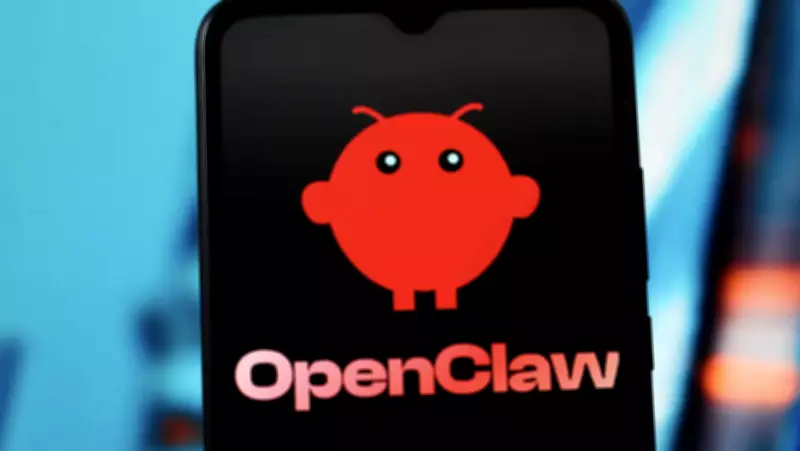
Yet within China, the mood has shifted dramatically. An OpenClaw consultant in the country told the Financial Times that he was already receiving more requests to remove the software than to install it. The phrase "raising a lobster"—referencing OpenClaw's crustacean logo and the patience required to train agents—spread widely across Chinese social media during the initial hype phase, but now reflects growing caution.
Economic Motivations and Security Solutions
The initial enthusiasm from Chinese tech giants had clear economic motivations. As noted by technology publications, a single active OpenClaw instance can consume tens or even hundreds of times more tokens per day than standard chatbot conversations—with every user essentially paying continuously for large language model API calls. This explains why companies were so eager to promote their own versions, each funneling users toward their specific cloud services and models.
In response to security concerns, Nvidia has announced NemoClaw, an enterprise version with enhanced privacy controls and network guardrails. Anthropic has taken an even more cautious approach with Claude Cowork, running agents inside sandboxed virtual machines with restricted network access—though this solution remains unavailable in China, partially explaining why OpenClaw initially filled that market vacuum so rapidly.

The Broader Implications for AI Development
This rapid transition from technological gold rush to government caution within weeks highlights a fundamental tension in current AI development. The technology demonstrates genuine power and potential, yet remains imperfectly understood by many users and carries security risks that even its most enthusiastic supporters struggle to address adequately.
The situation underscores how quickly emerging technologies can move from hype to concern, particularly when they operate with deep system access. As AI agents become more capable and autonomous, balancing innovation with security will remain a critical challenge for governments, corporations, and individual users worldwide.