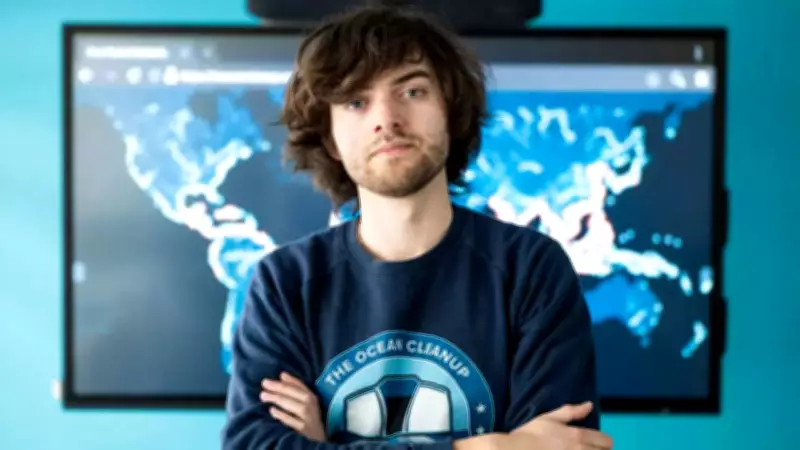
Boyan Slat: The Visionary Behind The Ocean Cleanup
Boyan Slat, a Dutch inventor and entrepreneur born on July 27, 1994, is the founder of the non-profit organization The Ocean Cleanup. This innovative group is dedicated to developing advanced technologies to cleanse the world's oceans of plastic waste. With a bold mission, The Ocean Cleanup aims to remove 90% of the ocean's plastic by the year 2040, while also working to reduce the influx of plastic from rivers into marine environments. Slat's groundbreaking efforts have earned him international acclaim, including recognition as the youngest United Nations "Champion of the Earth" for his environmental initiatives.
Early Life and Inspiration for a Cleaner Ocean
According to The Ocean Cleanup, Slat was born and raised in the Netherlands, where he later attended Delft University of Technology, majoring in aerospace engineering. At the age of 16 in 2011, during a SCUBA diving trip to Greece, Slat was struck by the sight of extensive plastic waste underwater. This experience ignited his passion for researching solutions to ocean pollution. He channeled this inspiration into a high school project focused on technologies for cleaning plastic from the ocean.
In 2012, Slat delivered a talk at TEDx Delft, which initially gained little attention until news organizations and blogs picked up the story, eventually making it go viral. This newfound visibility propelled Slat to launch a crowdfunding campaign that successfully raised $2 million from 38,000 contributors across 160 countries. The funds enabled him to officially establish The Ocean Cleanup in 2013, setting the stage for a global environmental movement.

Innovative Strategies for Ocean Plastic Removal and Prevention
The organization employs a dual approach to combat plastic pollution. First, it targets existing plastic debris in oceanic gyres, such as the notorious Great Pacific Garbage Patch. Slat and his team have developed passive floating systems, known as Systems 001 and 002, which harness natural ocean currents to concentrate and capture plastic waste. System 002 achieved proof of technology in 2021, with a single deployment reportedly collecting 20,000 pounds of ocean waste, demonstrating the effectiveness of these innovative designs.
Second, The Ocean Cleanup addresses the source of pollution by intercepting plastic before it reaches the oceans. Research indicates that approximately 1,000 rivers are responsible for about 80% of ocean-bound plastic. To tackle this, the organization created the Interceptor, a solar-powered device deployed in rivers. These Interceptors capture floating plastic and transport it to storage facilities for proper disposal or recycling, significantly reducing the flow of waste into marine ecosystems.
Leadership, Technology, and Measurable Impact
Headquartered in Rotterdam, the Netherlands, The Ocean Cleanup employs over 120 staff members from more than 30 countries. Slat continues to serve as CEO while actively participating in scientific research and technological development. He has co-authored several scientific publications and holds multiple patents related to ocean cleanup technologies, underscoring his commitment to innovation.
The organization maintains transparency through its Impact Dashboard, which publicly monitors and reports progress on deployments in oceans and rivers, quantifying the amount of plastic removed. This data-driven approach ensures accountability and showcases the tangible results of their efforts, from river interception to ocean cleanup operations.
Proven Results and Ambitious Goals for a Plastic-Free Future
Since its inception, The Ocean Cleanup has achieved significant milestones, proving the viability of its technologies in removing plastic from the environment. The organization has deployed multiple Interceptors in rivers worldwide and maintains systems in the Great Pacific Garbage Patch, steadily working towards its ultimate goal of cleaning up 90% of floating ocean plastic by 2040.

Despite challenges such as the durability of systems in harsh ocean conditions and the continuous influx of plastic from rivers, the project persists by integrating science, engineering, and strategic planning. Slat's contributions have been globally recognized, with the United Nations honoring him as a "Champion of the Earth," highlighting the positive impact of his innovations on the environment.
Recognition and Future Outlook for Environmental Stewardship
The Ocean Cleanup continues to expand its activities, aiming to mitigate the global threat of plastic pollution in oceans. The project exemplifies a blend of technological innovation and strategic foresight, addressing both existing waste and preventive measures. As Slat and his team forge ahead, they inspire hope for a cleaner, healthier planet, demonstrating that dedicated efforts can lead to meaningful environmental change.