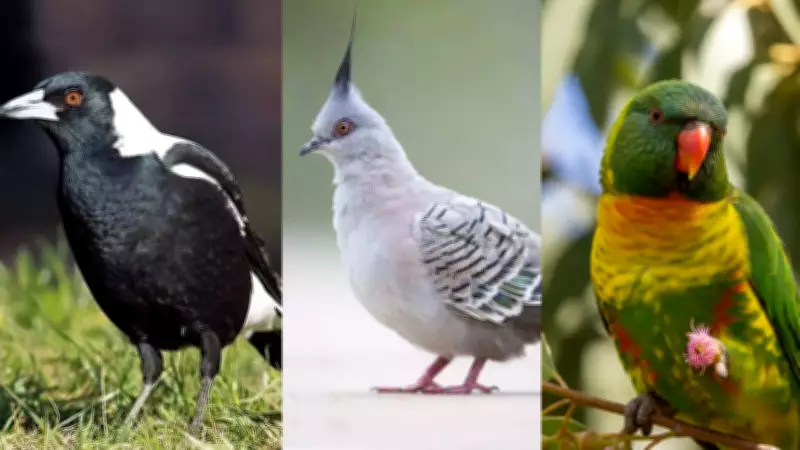
Australian Birds Defy Genetics: 5 Species Exhibit Natural Sex Reversal
In a remarkable discovery that challenges conventional biological norms, scientists have identified five bird species in Australia exhibiting natural sex reversal. This phenomenon, where birds are genetically one sex but display physical and behavioral traits of the opposite sex, has been observed in approximately 5% of sampled individuals. The findings, which could significantly impact wildlife management and conservation efforts, highlight the unexpected flexibility of sex development in nature.
Unveiling the Mystery of Sex Discordance
Researchers conducted extensive genetic analyses on five common Australian bird species: the Australian magpie, laughing kookaburra, crested pigeon, rainbow lorikeet, and scaly-breasted lorikeet. The study revealed that a small but consistent percentage of these birds showed a mismatch between their chromosomal sex and their outward appearance or behavior. This condition, known as sex reversal, suggests that even in wild populations, biological rules are not always rigidly followed.
Australian Magpie: Hidden Genetic Truths
The Australian magpie, ubiquitous in eastern Australia, presents a particular challenge due to the minimal visual differences between males and females. Scientists discovered that some genetically female magpies exhibited male physical features. This revelation complicates traditional methods of sex identification, as observers might incorrectly assume a bird's sex based on appearance alone. These rare mismatches could subtly influence our understanding of magpie breeding behavior and social dynamics in natural habitats.

Crested Pigeon: Consistency in Rarity
Crested pigeons demonstrated a similar pattern of sex reversal, with both genetic males and females occasionally displaying traits of the opposite sex. Although these cases are infrequent, their consistency across the population is significant. Wildlife experts warn that ignoring sex-discordant birds could lead to inaccurate population estimates and skewed sex ratios, potentially affecting reproductive studies and conservation planning for this familiar species.
Laughing Kookaburra: Behavioral Implications
The laughing kookaburra, renowned for its distinctive vocalizations, also exhibited instances of sex reversal, particularly with females presenting as males. This discovery could reshape our comprehension of breeding behavior in these birds. When a bird's sex is not visually apparent, accurately assessing mating patterns or nesting success becomes more complex, revealing hidden social intricacies within kookaburra communities.
Rainbow and Scaly-Breasted Lorikeets: Social Dynamics
Rainbow lorikeets, known for their vibrant colors and social nature, showed cases where genetically female birds appeared as males, potentially leading observers to mistake them for dominant flock members. Similarly, scaly-breasted lorikeets displayed the same sex reversal phenomenon. These mismatches might influence mating behavior, social hierarchies, and group dynamics, prompting researchers to investigate whether sex-discordant birds assume unconventional roles during courtship or competition.
Conservation and Research Implications
The discovery of natural sex reversal in these five species underscores that this phenomenon is not limited to domestic birds but occurs widely in the wild. This flexibility in sex development could affect reproduction rates and population growth, though the precise consequences remain unclear. As scientists delve deeper, these findings may revolutionize how wildlife managers track populations, study breeding patterns, and devise conservation strategies, reminding us that nature continually surprises with its complexity.