Nepal Election 2026: Live Updates on Vote Counting and Political Shifts
The 2026 general elections in Nepal are currently underway, with intense vote counting and significant political developments capturing national and international attention. As ballots are tallied across the country, key parties such as the Rastriya Swotantra Party, CPN-UML led by KP Oli, and others are vying for dominance in a closely watched electoral battle. This election is marked by heightened public engagement, particularly from younger voters, and widespread protests in urban centers like Kathmandu.
Live Vote Counting and Early Results
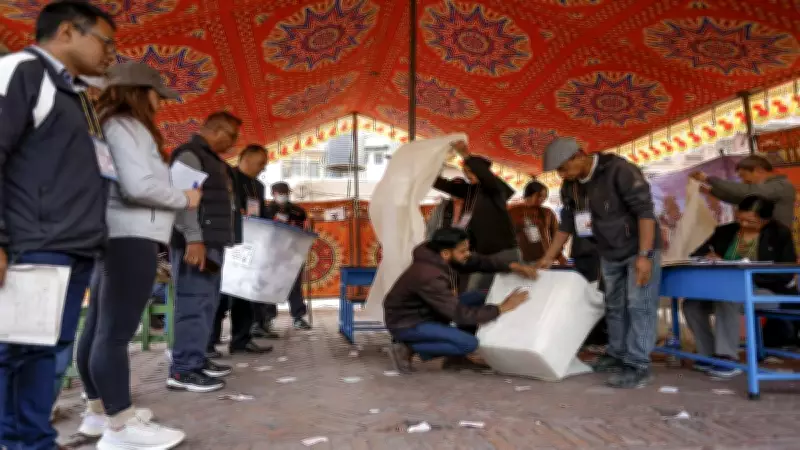
Vote counting for the Nepal 2026 elections is proceeding at a rapid pace, with early results indicating a competitive race among major political factions. The Rastriya Swotantra Party, a relatively new entrant in Nepalese politics, is showing strong performance in several constituencies, challenging established players. Meanwhile, the CPN-UML, under the leadership of former Prime Minister KP Oli, is maintaining a solid presence, aiming to secure a majority in the federal parliament. Other parties, including those led by figures like Sushila Karki, are also in the fray, contributing to a dynamic and unpredictable electoral landscape.
Gen Z Protests and Youth Mobilization in Kathmandu
In Kathmandu, the capital city, Gen Z protesters have taken to the streets, voicing demands for political reform, transparency, and greater representation in governance. These demonstrations, fueled by social media and grassroots organizing, reflect a growing discontent among younger Nepalese citizens with traditional political structures. The protests have added a layer of complexity to the election process, with authorities monitoring the situation closely to ensure peace and order during vote counting. Analysts suggest that this youth-led movement could influence voter turnout and election outcomes, particularly in urban areas.

Key Political Figures and Party Strategies
Prominent leaders such as KP Oli of CPN-UML and Balen Shah of the Rastriya Swotantra Party are at the forefront of this electoral contest. Oli, a seasoned politician, is leveraging his experience and party machinery to consolidate support, while Shah, representing a newer, reform-oriented platform, is appealing to voters seeking change. The election also features candidates like Sushila Karki, who bring diverse perspectives to the political discourse. Party strategies are focused on coalition-building and addressing pressing issues like economic development, social justice, and constitutional implementation.
Implications for Nepal's Future Governance
The results of the 2026 Nepal elections are poised to shape the country's political trajectory for years to come. A victory for the Rastriya Swotantra Party could signal a shift towards more progressive policies and anti-establishment sentiments, whereas a win for CPN-UML might reinforce traditional political alliances. The Gen Z protests underscore a broader call for accountability and innovation in governance, which could pressure the incoming government to prioritize youth-centric agendas. As vote counting continues, stakeholders are closely analyzing trends to gauge potential impacts on Nepal's domestic stability and international relations.
Ongoing Developments and What to Watch
As live updates stream in, key aspects to monitor include final vote tallies, coalition negotiations, and the response to protests. The election commission is working diligently to ensure accurate and transparent results, with updates expected throughout the coming days. Observers are also watching for any legal challenges or disputes that might arise post-counting. This election not only determines Nepal's leadership but also reflects evolving democratic practices in South Asia, making it a critical event for regional politics.