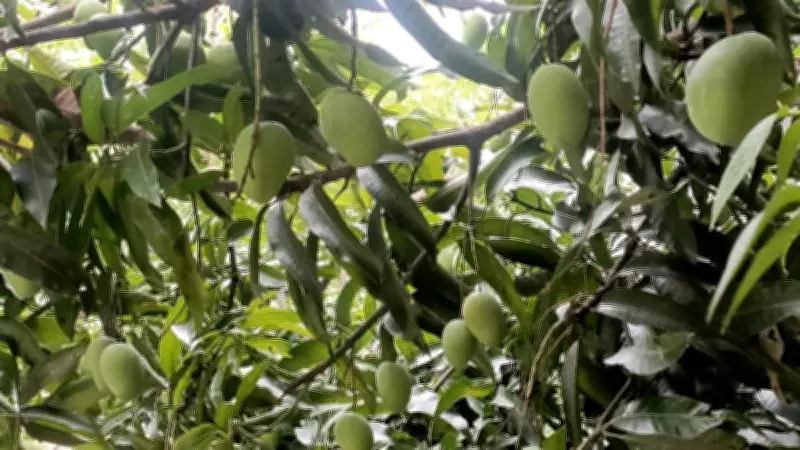
Despite the relentless march of urbanization, many Bengalureans still find the time and heart to share fruit grown in their own backyards. This practice has given rise to a unique backyard mango economy that thrives on community and generosity.
Mango Trees as a Legacy
For generations, mango trees have been a staple in Bengaluru's traditional homes. Families plant them not just for their delicious fruit but also as a living legacy. The trees often outlive the original planters, providing shade and sustenance for decades.
In many neighborhoods, the mango season is a time of sharing. Residents distribute the surplus fruit among friends, neighbors, and even strangers. This exchange fosters social bonds and reduces waste.

The Economic Angle
Beyond mere sharing, some residents have turned their backyard bounty into a small-scale enterprise. They sell the fruit at local markets or through informal networks, earning extra income. The prices are often lower than commercially grown mangoes, making them accessible to more people.
This informal economy also supports local vendors who buy in bulk and resell in smaller quantities. It is a sustainable model that reduces the carbon footprint associated with long-distance transportation of fruit.
Challenges and Resilience
Urban development poses a threat to these backyard orchards. Many trees are cut down to make way for apartments or roads. However, a growing awareness of the value of green spaces has led to conservation efforts. Some residents actively campaign to protect old trees and plant new ones.
Community groups also organize mango festivals and tasting events to celebrate the diversity of local varieties. These initiatives help preserve traditional knowledge about mango cultivation and varieties.
Cultural Significance
Mangoes hold a special place in Indian culture, symbolizing prosperity and sweetness. In Bengaluru, the act of sharing mangoes is a gesture of goodwill and community spirit. It transcends economic barriers and brings people together.
As the city continues to grow, the backyard mango economy serves as a reminder of the importance of preserving green spaces and fostering community connections. It is a testament to the resilience of traditional practices in a modernizing world.