Pakistan Risks Severe Financial Penalties for Boycotting India T20 World Cup Match
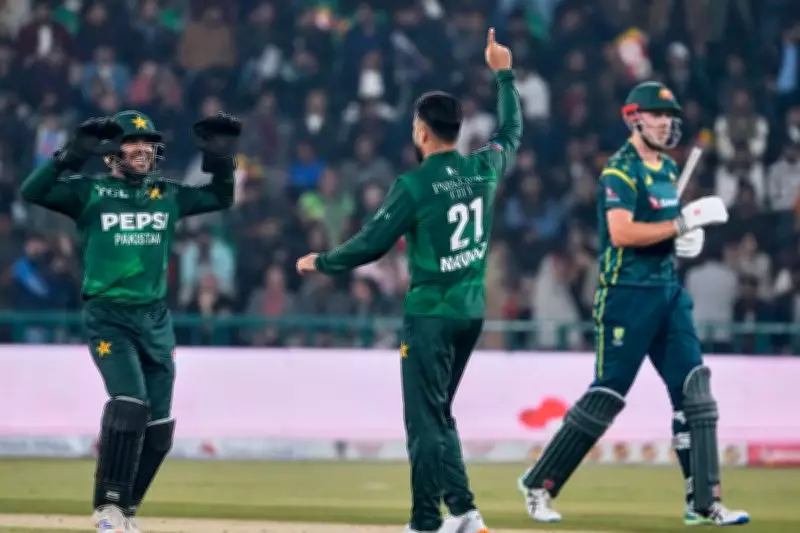
The Pakistan cricket team is facing the prospect of substantial financial penalties and potential sanctions from the International Cricket Council (ICC) if they proceed with a boycott of their scheduled match against India in the upcoming T20 World Cup. This development has sent shockwaves through the cricketing community, raising concerns about the implications for future tournaments and bilateral relations between the two nations.
Potential ICC Sanctions and Financial Repercussions
According to sources within the ICC, Pakistan could be subjected to heavy fines and other punitive measures for refusing to play against India. The governing body of world cricket has strict regulations in place to ensure that all scheduled matches are played as planned, and any deviation from this could result in severe consequences. The financial penalties are expected to be significant, potentially running into millions of dollars, which could have a major impact on Pakistan's cricket board and its financial stability.
The ICC's stance is clear: all member nations must adhere to the tournament schedule, and any unilateral decision to boycott a match is viewed as a serious breach of protocol. This could lead to not only monetary fines but also points deductions or even suspension from future ICC events, which would be a devastating blow for Pakistani cricket.

Historical Context and Political Tensions
The potential boycott stems from longstanding political tensions between India and Pakistan, which have often spilled over into the sporting arena. Historically, matches between the two nations have been highly charged events, drawing massive global audiences. However, recent geopolitical developments have led to increased calls within Pakistan to boycott sporting engagements with India, particularly in cricket, which is a national passion in both countries.
This situation is not unprecedented, as there have been instances in the past where political issues have affected cricketing ties. However, the scale of the potential penalties in this case is unprecedented, given the high-profile nature of the T20 World Cup and the importance of the India-Pakistan rivalry in global cricket.
Impact on the T20 World Cup and Global Cricket
A boycott by Pakistan would not only affect the team financially but also have broader implications for the T20 World Cup itself. The India-Pakistan match is one of the most anticipated fixtures of the tournament, often generating the highest viewership and revenue. Its absence could lead to:
- Reduced global television ratings and advertising revenue
- Disruption of the tournament schedule and logistics
- Potential backlash from fans and sponsors
- Setting a dangerous precedent for future ICC events
Moreover, such a move could strain relations within the cricketing world, as other nations might view it as a politicization of sport, which goes against the spirit of the game. The ICC is likely to take a firm stand to prevent this from happening, emphasizing the need to keep politics separate from cricket.
Possible Resolutions and Future Outlook
Despite the current standoff, there is still hope for a resolution that would allow the match to proceed as scheduled. Diplomatic efforts behind the scenes could play a crucial role in easing tensions and finding a middle ground. The cricket boards of both nations, along with the ICC, are expected to engage in discussions to avert a crisis.
In the long term, this incident highlights the fragile nature of India-Pakistan cricketing relations and the need for more robust mechanisms to handle such disputes. It also underscores the importance of cricket as a unifying force in the region, capable of bridging political divides when managed effectively.
As the T20 World Cup approaches, all eyes will be on Pakistan's final decision and the ICC's response. The outcome could shape the future of cricketing engagements between India and Pakistan for years to come, making this a pivotal moment in the history of the sport.