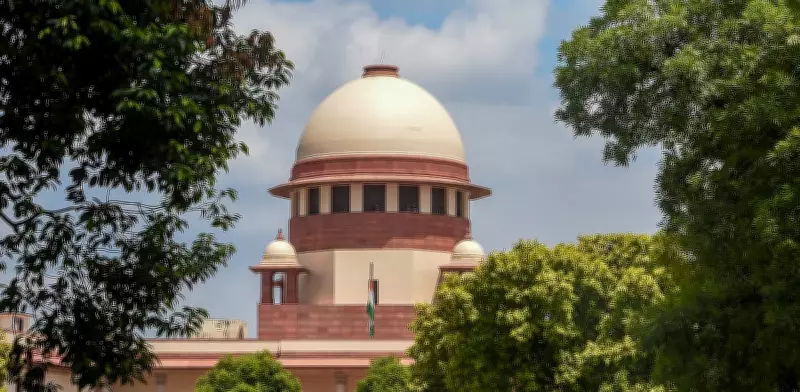
Supreme Court Delivers Landmark Ruling on Litigation Abuse
The Supreme Court of India has taken a firm stance against the growing trend of frivolous litigation, delivering a powerful judgment that underscores the judiciary's role as a protector of justice rather than a platform for harassment. In a significant ruling that addresses systemic delays and abuse of legal processes, the apex court clarified that courts must not be weaponized to intimidate opponents or obstruct the timely delivery of justice.
Core Principle: Finality of Judicial Proceedings
The bench, in its detailed observations, emphasized a fundamental legal principle: once a dispute concerning a specific cause has been presented before a competent court and adjudicated, the same party is expressly prohibited from resurrecting the identical issue in subsequent proceedings or at a later stage. This directive aims to curb the practice of forum shopping and repetitive litigation, which often clogs the judicial system and denies justice to genuine litigants.
The court stated unequivocally that such tactics not only waste precious judicial time and resources but also inflict undue financial and emotional distress on the opposing parties. By setting this precedent, the Supreme Court seeks to reinforce the integrity of the legal process and ensure that litigation serves its true purpose—resolving disputes fairly and efficiently.

Broader Implications for the Indian Legal Landscape
This ruling is expected to have far-reaching consequences across all levels of the Indian judiciary. Legal experts anticipate that it will empower lower courts to dismiss frivolous petitions more swiftly and impose stricter penalties on those found engaging in abusive litigation practices. The judgment also serves as a reminder to litigants and their legal representatives to approach courts with bona fide claims, backed by substantive evidence and legitimate grievances.
Furthermore, the Supreme Court highlighted that the right to access justice is not an unlimited license to misuse judicial mechanisms. The bench underscored that while the Constitution guarantees every citizen the right to seek legal redress, this right carries with it a responsibility to act in good faith and respect the sanctity of judicial proceedings.
Addressing Systemic Delays and Backlogs
One of the critical motivations behind this ruling is the urgent need to address the massive backlog of cases plaguing Indian courts. By discouraging frivolous and repetitive litigation, the Supreme Court aims to streamline judicial processes, reduce unnecessary delays, and allocate resources more effectively to cases that genuinely require adjudication. This proactive approach is seen as a vital step toward enhancing the efficiency and credibility of India's legal system.
In conclusion, the Supreme Court's stern warning against frivolous litigation marks a pivotal moment in Indian jurisprudence. It reaffirms the judiciary's commitment to upholding justice, preventing its misuse, and ensuring that courts remain accessible and effective for all citizens. This judgment is likely to inspire reforms and foster a culture of responsible litigation, ultimately strengthening the rule of law in the country.