Cold Calling: Are You Treating Your Cold Correctly? Doctor Advises Against Antibiotics
In a recent health advisory, a medical expert has emphasized that antibiotics are not the best course of treatment for the common cold. This guidance comes as many individuals mistakenly turn to these medications for relief from cold symptoms, which can lead to unnecessary side effects and contribute to antibiotic resistance.
Understanding the Common Cold and Its Symptoms
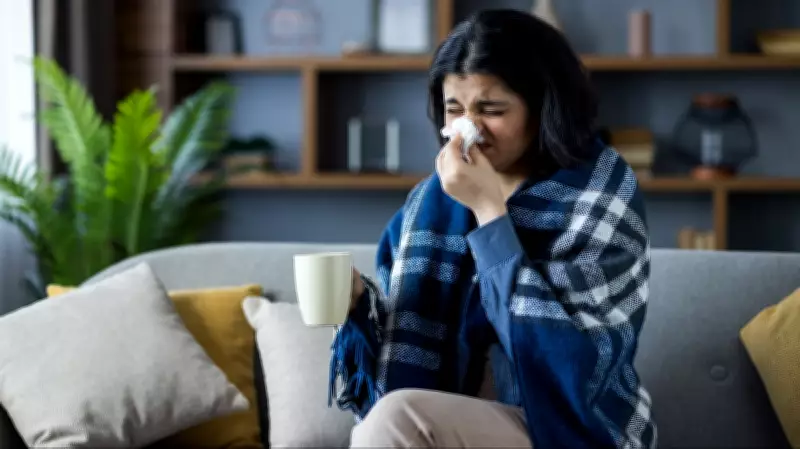
The common cold is a viral infection that primarily affects the upper respiratory tract. Symptoms typically include a runny or stuffy nose, sore throat, coughing, sneezing, and sometimes a mild fever. These manifestations are often confused with more severe conditions like the flu or allergic rhinitis, but they generally have a shorter and less intense duration.
According to the doctor, the symptoms of a common cold usually settle down within a week or so when proper home care measures are implemented. This natural recovery process highlights the body's ability to fight off viral infections without the need for pharmaceutical intervention in most cases.

Why Antibiotics Are Ineffective for Colds
Antibiotics are designed to target bacterial infections, not viruses. Since the common cold is caused by viruses, using antibiotics to treat it is ineffective and can be harmful. The doctor warns that this misuse can lead to several issues:
- Antibiotic Resistance: Overuse of antibiotics encourages bacteria to become resistant, making future infections harder to treat.
- Unnecessary Side Effects: Patients may experience adverse reactions such as stomach upset, diarrhea, or allergic responses without any benefit.
- Increased Healthcare Costs: Prescribing antibiotics for viral conditions wastes resources and can lead to higher medical expenses.
Instead, the focus should be on supportive care that alleviates symptoms and supports the immune system.
Effective Home Care Strategies for Cold Relief
To manage cold symptoms effectively, the doctor recommends several home care practices that can promote recovery without medication:
- Rest and Hydration: Ensure adequate sleep and drink plenty of fluids like water, herbal teas, and broths to stay hydrated and help the body fight the infection.
- Humidify the Air: Using a humidifier or taking steamy showers can ease nasal congestion and soothe irritated airways.
- Over-the-Counter Remedies: Non-prescription options such as pain relievers, decongestants, or cough syrups may provide temporary relief, but they should be used cautiously and as directed.
- Nutritious Diet: Consuming foods rich in vitamins and minerals, like fruits and vegetables, can boost the immune system and aid in faster recovery.
If symptoms persist beyond a week, worsen, or are accompanied by high fever or severe pain, it is essential to consult a healthcare professional to rule out bacterial complications or other underlying conditions.
The Importance of Public Awareness and Preventive Measures
Raising awareness about the proper treatment of colds is crucial in reducing antibiotic misuse. The doctor advises the public to:
- Avoid self-medicating with antibiotics without a prescription.
- Practice good hygiene, such as frequent handwashing, to prevent the spread of cold viruses.
- Consider vaccinations for related illnesses like the flu to reduce the risk of co-infections.
By following these guidelines, individuals can not only manage their colds more effectively but also contribute to broader public health efforts against antibiotic resistance.