Majuli's Sacred Satras: A Bastion of Spiritual Neutrality in Assam's Electoral Arena
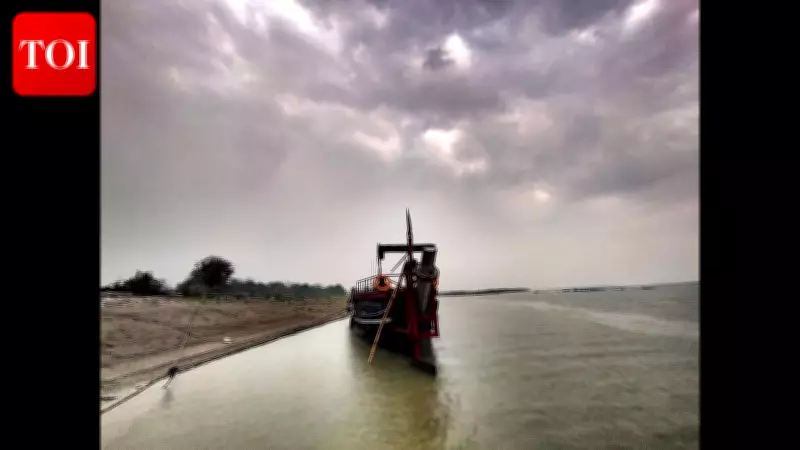
In the heart of Assam, the river island of Majuli stands as a beacon of neo-Vaishnavism, where the spiritual authority of its historic satras remains distinctly separate from the tumult of electoral politics. Here, voters exercise their franchise independently, drawing a clear boundary between religious devotion and political allegiance, untouched by the roaring campaigns and promises that characterize elections elsewhere.
The Timeless Tradition of Satras and Political Abstinence
Life in Majuli is profoundly shaped by Vaishnavite culture, nurtured through centuries by satras—religious and spiritual institutions dating back to the 16th and 17th centuries. These satras have long upheld a tradition that bars political parties from entering their premises to solicit votes from satradhikars (pontiffs) and bhakats (monks), who play a pivotal role in the community's social fabric. Political parties tread carefully, never daring to infuse their ideologies into these sacred monasteries, ensuring the satras remain sanctuaries of spiritual purity.
Padmashree Gopiram Borgayan, a 103-year-old burha bhakat (senior monk) of the Sri Sri Uttar Kamalabari Satra, one of the six principal satras in the district, reflects on this enduring practice. "Candidates and political leaders come to our satra to seek blessings for their victory, not for votes. I have witnessed all elections post-independence. Satras were never allowed to be used for politics or political gains. Candidates silently come, seek blessings, and leave," he states, highlighting the respectful distance maintained between spiritual and political realms.

Electoral Dynamics in Majuli: A Contest Without Satra Interference
In the upcoming battle for the Majuli seat, sitting BJP MLA Bhuban Gam and Congress candidate Indraneel Pegu will face off, yet the satras and their surroundings remain conspicuously free from banners, posters, or any advocacy for candidates or parties. This neutrality underscores the satras' commitment to preserving their spiritual integrity while allowing democratic processes to unfold independently.
Jadab Borah, an assistant professor and researcher at Dibrugarh University, notes that despite maintaining distance from electoral politics, satras always wish for political leaders to uphold truth, honesty, and efficiency. "The satra system binds candidates in a way that forces them to think twice before doing something immoral," he adds, emphasizing the ethical influence these institutions wield over governance.
Satradhikars: Guardians of Social Norms and Electoral Integrity
Satradhikars influence every aspect of social life in Majuli, from festivals to community norms, but they have consistently cautioned politicians against dragging satras into politics, now or in the future. For any heavyweight political leader or election candidate, a visit to the Sri Sri Auniati Satra is considered essential, yet satradhikar Pitambar Deva Goswami clarifies, "We are not associated with any political party. We bless whoever comes to our Satras."
Goswami further elaborates on the delicate balance between spiritual and democratic duties. "Satras have their own discipline, which cannot be breached by politics. Nevertheless, when politics is needed to run administration, we need to cast our votes. But both the dharma of satras and the dharma of democracy have to be maintained," he asserts, highlighting the community's commitment to upholding both traditions without compromise.
Collective Neutrality and Individual Participation
While satras do not take collective decisions regarding elections, satradhikars never miss out on exercising their franchise, demonstrating personal engagement with democracy while preserving institutional neutrality. Maniram Borgayan, another senior monk of Uttar Kamalabari Satra, explains, "No politician ever requests our help in elections. They know that satras maintain neutrality at all costs. We cannot take sides," reinforcing the unwavering stance of these spiritual centers.

This unique interplay between spirituality and politics in Majuli serves as a model for maintaining ethical standards in electoral processes, ensuring that the sacred traditions of satras continue to guide the community without succumbing to political pressures.