JMM Intensifies Assam Campaign with Focus on Adivasi Voter Outreach for 2026 Elections
As the political landscape in Assam heats up ahead of the crucial 2026 Assembly elections, the Jharkhand Mukti Morcha (JMM) is making strategic inroads by targeting the state's significant Adivasi population. The party is banking heavily on its deep-rooted ancestral connections to woo these voters, particularly in the tea garden belts of eastern and North Assam, where Adivasi communities hold decisive electoral sway.
Strategic Campaigning in Key Tea Garden Regions
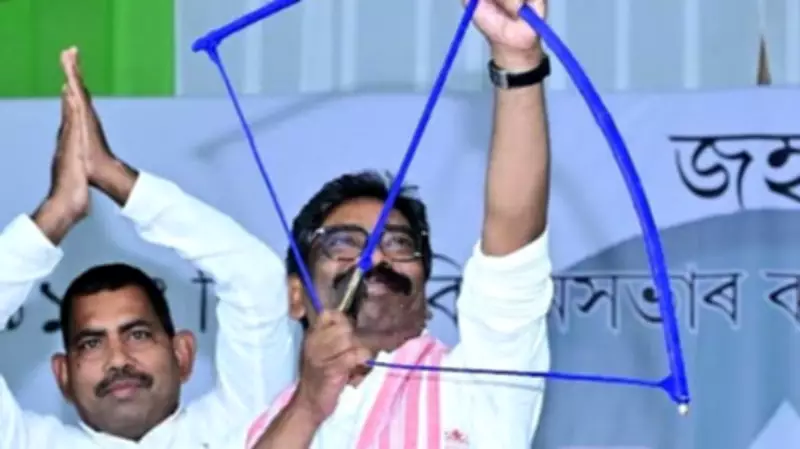
Led by prominent figures including Jharkhand Chief Minister Hemant Soren, JMM leaders have been actively campaigning across Assam's tea-growing areas. These regions are pivotal battlegrounds, with Adivasi voters often determining the outcome in multiple constituencies. The party's approach involves highlighting shared cultural and historical ties, emphasizing a sense of kinship and common identity to resonate with the local populace.
This targeted outreach is not just about securing votes for JMM; it carries broader implications for the political dynamics in Assam. Analysts suggest that by mobilizing Adivasi support, JMM could inadvertently aid the Congress party, which has traditionally relied on these voter bases. The move might fragment the vote in ways that benefit Congress, especially if it leads to a split in support for other regional or national parties.

Potential Impact on Assam's Electoral Equations
The JMM's campaign strategy underscores the evolving nature of Assam's politics, where regional parties from other states are increasingly playing a role. By focusing on ancestral roots, JMM aims to tap into the emotional and cultural affiliations of Adivasi communities, many of whom have historical links to regions like Jharkhand. This could shift voter allegiances and alter the competitive landscape as parties gear up for the 2026 polls.
Observers note that such tactics highlight the importance of identity politics in Assam's electoral calculus. With Adivasi voters concentrated in key areas, their mobilization could prove decisive in close contests. The JMM's efforts, if successful, might not only boost its own prospects but also create ripple effects that influence the overall outcome, potentially giving Congress an edge in tightly fought seats.
As the campaign progresses, all eyes will be on how this strategy unfolds and its ramifications for Assam's political future. The 2026 Assembly elections are shaping up to be a complex battleground, with parties like JMM leveraging every possible advantage to make their mark.