AAP Councillors Stage Protest Over LPG Cylinder Shortage in Delhi
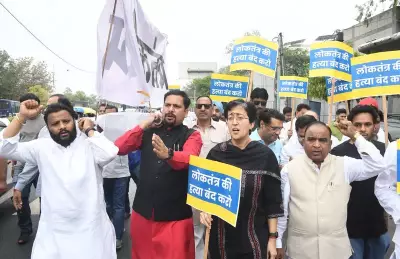
The monthly House meeting of the Municipal Corporation of Delhi (MCD) was significantly disrupted on Friday as councillors from the Aam Aadmi Party (AAP) staged a vigorous protest over the alleged shortage of LPG cylinders in the capital. The demonstration, which took place both inside and outside the House chamber, highlighted what AAP representatives called a critical issue severely impacting the daily lives of Delhi residents.
Protest Escalates With Placards and Slogans
The protest intensified dramatically when an AAP councillor entered the House carrying a placard and began raising loud slogans, demanding an immediate and thorough discussion on the LPG scarcity. The councillors argued that the shortage of cooking gas has become a pressing concern, exacerbating the challenges faced by households across the city.
However, Mayor Raja Iqbal Singh reportedly did not permit any debate on the matter. According to AAP leaders, the agenda was pushed through in a hurried manner, and the House was adjourned shortly after the protest began, with the mayor exiting the session. This move sparked accusations from AAP councillors that the BJP-led administration was deliberately avoiding responsibility.

AAP Accuses BJP of Neglecting Civic Issues
AAP councillors strongly criticized the BJP-led administration, alleging that it is sidestepping crucial responsibilities. They pointed to rising inflation, increasing unemployment, and a persistent lack of basic civic services as factors that have made life increasingly difficult for the common people of Delhi. The protest underscored broader grievances about governance and public welfare in the city.
House Proceedings and Approved Agenda Items
Despite the disruption, the House meeting commenced with councillors expressing grief over a recent fire incident. Following this, several agenda items were cleared during the session. Notably, a proposal was approved to establish a facility for processing fresh waste and disposing of by-products at the Pocket C Integrated Freight Complex in Ghazipur. This facility is designed to have a minimum capacity of 800 tonnes per day.
Additionally, multiple proposals related to naming parks, entrance gates, and roads were also given the green light. These approvals came amidst the contentious atmosphere, highlighting the mixed nature of the meeting's outcomes.
The protest by AAP councillors has brought renewed attention to the LPG cylinder shortage and other civic issues in Delhi, raising questions about the effectiveness of municipal governance and the responsiveness of the administration to public concerns.