Shashi Tharoor Proposes EU-Inspired Delimitation Model to Address Representation Concerns
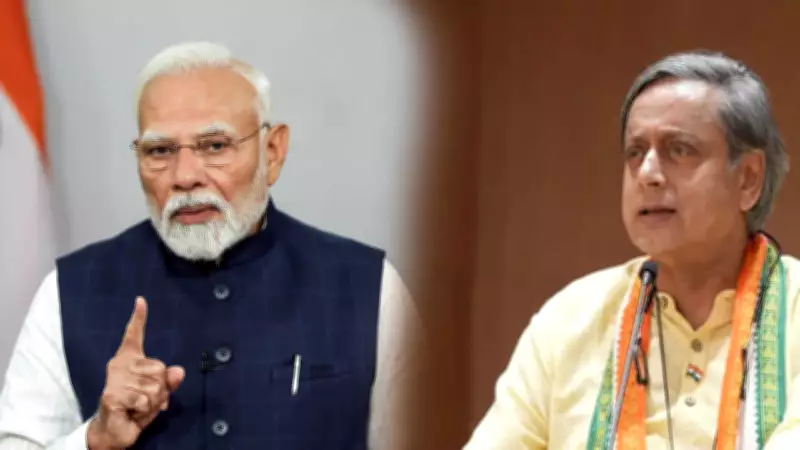
Congress Member of Parliament Shashi Tharoor has ignited a significant political discussion by advocating for the adoption of a European Union-inspired model to tackle the ongoing delimitation debate in India. Tharoor's proposal comes at a time of heightened tensions over how parliamentary constituencies should be redrawn, with fears that a purely population-based approach could disadvantage southern states that have successfully implemented population control measures.
Tharoor's Call for Wider Consultations and EU-Style System
In a direct appeal to Prime Minister Narendra Modi, Tharoor emphasized the urgent need for broader consultations with state governments before proceeding with delimitation. He warned that rushing the process without consensus could undermine India's federal structure and create regional imbalances. Tharoor specifically pointed to the European Union's system of "degressive proportionality" as a potential solution. This model establishes minimum and maximum thresholds for representation, ensuring that smaller states are not overshadowed by larger ones while maintaining democratic fairness.
The core of Tharoor's argument is that states like those in southern India, which have achieved lower population growth through effective policies, should not be penalized with reduced political representation. Instead, he suggests a balanced approach that rewards demographic management while protecting the interests of all regions.

Growing Political Unease and Opposition Criticism
The delimitation issue has evolved into a broader political debate, with opposition parties expressing strong concerns about the central government's approach. Congress leader Jairam Ramesh has been vocal in criticizing what he perceives as a hasty process lacking adequate discussion. Regional parties have also raised alarms, particularly regarding the absence of updated caste data, which they argue could distort representation and reservation outcomes.
Key concerns highlighted by critics include:
- The potential skewing of parliamentary seats in favor of northern states with higher population growth.
- Inadequate consideration of socio-economic factors beyond raw population numbers.
- The impact on federal balance and state autonomy in political representation.
Broader Implications for Federalism and Demographic Fairness
Tharoor's proposal has transformed the delimitation discussion into a larger examination of India's federal principles and demographic equity. The debate now encompasses questions about how to balance population size with regional development, how to ensure fair representation for all states regardless of size, and how to structure parliamentary representation for future generations.
Political analysts note that this issue touches on fundamental aspects of Indian democracy, including:
- The relationship between population control policies and political rewards.
- The need for transparent, inclusive decision-making processes on constitutional matters.
- The preservation of India's diverse regional interests within a unified parliamentary system.
As the discussion continues, Tharoor's EU-inspired model has introduced a new dimension to the delimitation debate, suggesting that international examples might offer valuable insights for India's unique democratic challenges. The coming months are likely to see intensified dialogue between central and state governments, opposition parties, and civil society groups as they grapple with these complex issues of representation and federal balance.