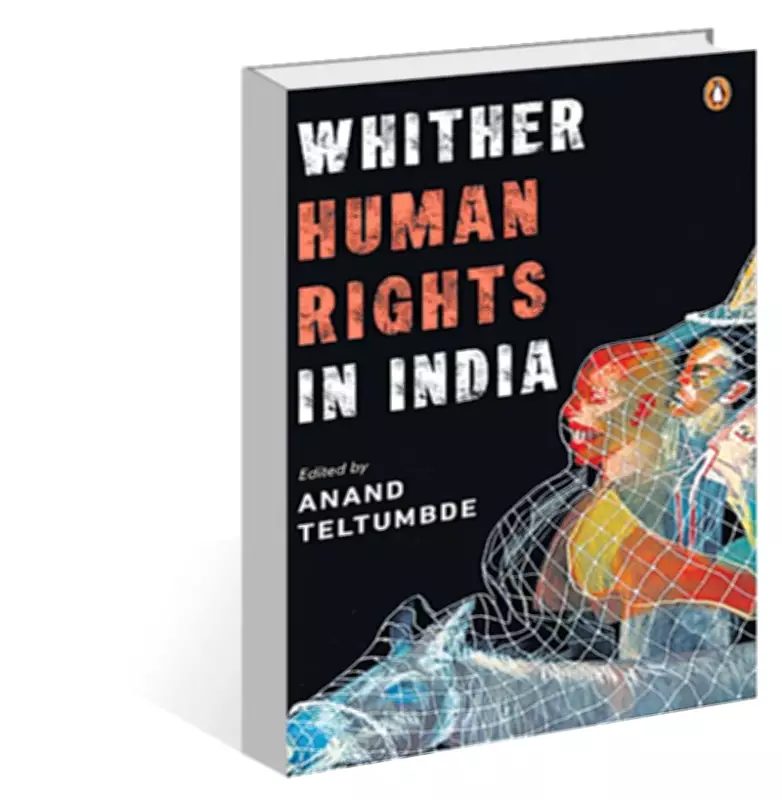
Book Review: 'Whither Human Rights in India' Imagines Libertarian Political Framework
A recent book review has brought attention to the thought-provoking work titled 'Whither Human Rights in India,' which proposes a novel libertarian political vision to address ongoing human rights challenges in the country. This review delves into the book's arguments, which critique current governance structures and advocate for a shift towards greater individual freedoms and limited state intervention.
Exploring the Core Arguments of the Book
The book, as reviewed, imagines a new kind of libertarian politics that emphasizes:
- Enhanced Personal Liberties: The author argues for reducing state control over individual choices, promoting autonomy in areas such as speech, association, and economic activities.
- Reformed Governance: It suggests restructuring government institutions to minimize bureaucratic hurdles and corruption, which are seen as impediments to human rights.
- Economic Freedom: The review highlights the book's focus on free-market principles as a means to uplift marginalized communities and ensure equitable access to resources.
These ideas are presented as a response to perceived shortcomings in India's current human rights framework, including issues related to censorship, judicial delays, and social inequalities.

Context and Relevance in Contemporary India
The review situates the book within the broader context of India's political and social landscape. It notes that the libertarian approach challenges traditional left-wing and right-wing ideologies, offering a third way that prioritizes individual rights over collective or state-centric solutions. This has sparked debate among scholars and activists about the feasibility and implications of such a shift.
Key points discussed include:
- Historical Perspectives: The book draws on India's constitutional history, critiquing how human rights have been interpreted and enforced over the decades.
- Current Challenges: It addresses contemporary issues such as digital privacy, freedom of expression, and economic disparities, proposing libertarian solutions.
- Future Implications: The review explores how this vision could influence policy-making and public discourse, potentially reshaping India's political future.
By expanding on these themes, the review adds depth to the original article, providing readers with a comprehensive analysis of the book's contributions and controversies.
Critical Reception and Public Debate
The review also touches on the mixed reactions to the book. While some praise its innovative approach to human rights, others question the practicality of libertarian politics in a diverse and complex society like India. Critics argue that excessive emphasis on individual freedom might neglect social justice and collective welfare, leading to potential conflicts.
Despite these debates, the review concludes that 'Whither Human Rights in India' serves as a crucial catalyst for rethinking political paradigms. It encourages readers to engage with its ideas, whether in agreement or opposition, to foster a more informed and dynamic discussion on human rights in the country.