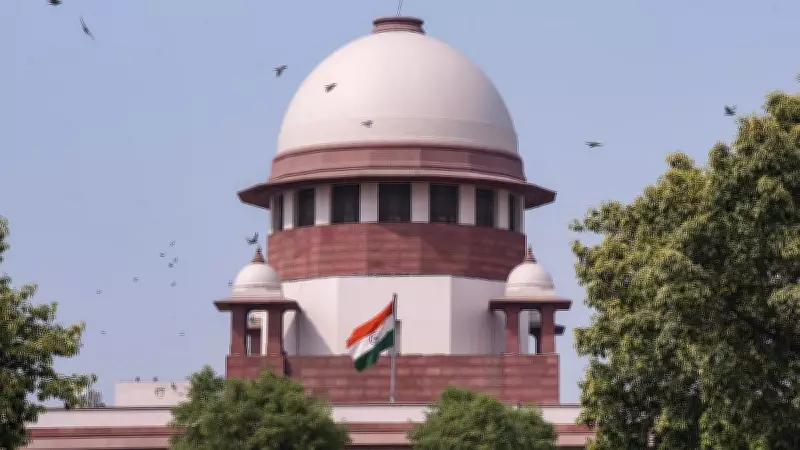
Supreme Court Takes Action Against ASI Over Delhi Heritage Negligence
The Supreme Court of India has escalated its scrutiny of heritage conservation efforts in the national capital by issuing a formal contempt notice to the Archaeological Survey of India (ASI). This significant legal development comes amid growing concerns about the protection and preservation of Delhi's historically significant sites, which are under the ASI's jurisdiction.
Judicial Bench Directs Personal Appearance of ASI Director General
A bench comprising justices Ahsanuddin Amanullah and N Kotiswar Singh has taken a firm stance in this matter. The court has specifically directed the Director General of the Archaeological Survey of India to be personally present before it on the next scheduled date of hearing. This directive underscores the seriousness with which the judiciary views the alleged failures in heritage site management and conservation.
The contempt notice represents a critical juncture in the ongoing legal proceedings concerning Delhi's cultural heritage. The Supreme Court's intervention highlights systemic issues in how protected monuments and archaeological treasures are being maintained under current administrative frameworks.

Background and Implications for Heritage Conservation
This legal action follows what appears to be prolonged concerns about the Archaeological Survey of India's effectiveness in fulfilling its mandate to protect and preserve India's archaeological heritage. Delhi, with its rich historical tapestry spanning multiple dynasties and empires, contains numerous protected monuments that require vigilant conservation efforts.
The Supreme Court's decision to issue a contempt notice suggests that previous directives or expectations regarding heritage site protection may not have been adequately addressed by the ASI. This development could potentially lead to significant reforms in how heritage conservation is managed and monitored across the country.
Legal experts suggest that this case could establish important precedents for governmental accountability in cultural heritage protection. The requirement for the ASI Director General's personal appearance indicates the court's intention to ensure direct accountability at the highest levels of the organization responsible for safeguarding India's archaeological legacy.
Wider Context of Heritage Protection in India
This Supreme Court action occurs against a backdrop of increasing public and judicial attention to heritage conservation issues nationwide. Many historical sites across India face threats from urbanization, pollution, inadequate maintenance, and other developmental pressures.
The Archaeological Survey of India, established in 1861, holds primary responsibility for the archaeological research and protection of cultural monuments throughout the country. Its performance in Delhi, which serves as both the national capital and a repository of centuries of historical significance, is particularly scrutinized given the visibility and importance of the sites under its care.
This legal proceeding may prompt broader discussions about resource allocation, technical expertise, and administrative priorities within heritage conservation agencies. The outcome could influence how both central and state governments approach the complex challenge of balancing development with cultural preservation.
The next hearing date, when the ASI Director General must appear before the Supreme Court bench, will likely provide further clarity on the specific allegations of negligence and the potential consequences for the organization's leadership and operational protocols.