Supreme Court Verdict Denies SC Status to Converts, Welcomed by SC Morcha Leader
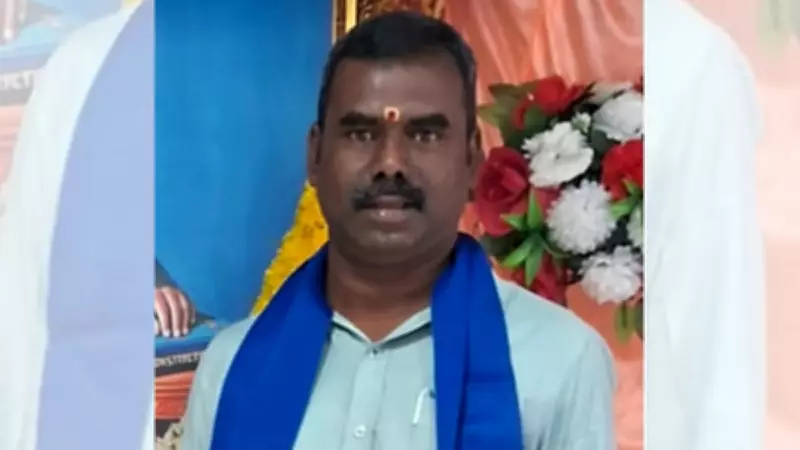
The Supreme Court of India has delivered a landmark verdict that denies Scheduled Caste (SC) status to individuals who convert to Christianity. This decision has been warmly welcomed by Paramananda, a prominent leader of the SC Morcha, who emphasized the importance of preserving the integrity of community-specific benefits under the SC Act.
Background and Legal Precedents
Paramananda recalled a similar ruling by the Andhra Pradesh High Court on April 30, 2025, which explicitly stated that the Scheduled Castes Act does not apply to converts to Christianity. That ruling clarified that such individuals cannot claim any community-specific benefits reserved for Scheduled Castes, setting a significant legal precedent.
The Supreme Court's recent verdict reinforces this stance, affirming that conversion to Christianity disentitles a person from availing of SC privileges. This decision is based on the interpretation that the SC Act is designed to address historical social and economic disadvantages faced by specific Hindu, Sikh, and Buddhist communities, and does not extend to those who adopt other religions.

Implications and Reactions
The ruling has sparked discussions on religious conversion and its impact on social welfare schemes. Supporters argue that it prevents misuse of reservations and ensures that benefits reach the intended marginalized groups. Critics, however, express concerns about discrimination and the rights of converts.
Paramananda praised the verdict, stating that it upholds the original intent of the SC Act and protects the interests of genuine Scheduled Caste communities. He highlighted that this decision aligns with the broader legal framework aimed at maintaining social justice without dilution.
As of March 26, 2026, this verdict stands as a key development in Indian jurisprudence, with potential implications for future cases involving religion-based reservations and conversions.