Punjab Police Implements Rs 80 Fee for Online FIR Downloads, Sparks Outcry
A recent decision by the Punjab Police to impose a fee of Rs 80 for downloading First Information Reports (FIRs) from its online portals has ignited widespread criticism from legal experts, political leaders, and social activists. The move, which took effect from Tuesday, is being denounced as an attempt to undermine transparency in police operations, particularly in the wake of recent incidents where police conduct has been under scrutiny.
Official Justification and Opposition Backlash
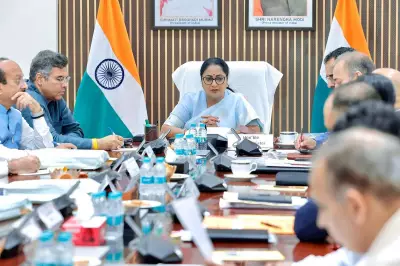
Gurpreet Deo, Special DGP of Punjab, defended the policy, stating that it follows government orders to levy charges. She clarified that the accused and complainant will still receive free copies of FIRs from police stations, but third parties must now pay. Deo explained, "Our servers incur significant costs. We've observed excessive traffic from people, often without genuine need, downloading FIRs, which has strained our Saanjh server integrated with the Crime and Criminal Tracking Network Systems (CCTNS). This paywall aims to curb unnecessary downloads."
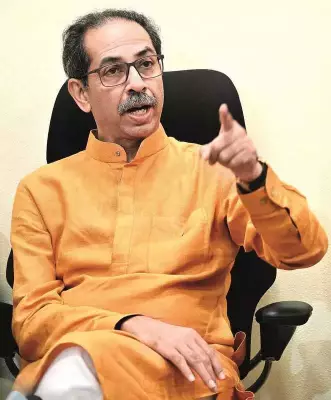
However, the opposition has strongly condemned the move. Partap Bajwa, Leader of the Opposition, criticized it on social media, saying, "Imposing a ₹80 fee per FIR is another effort by the Bhagwant Mann government to silence voices and restrict the press. Journalists, lawyers, and researchers rely on FIR access for reporting and analysis; charging for public documents erodes transparency and appears designed to discourage scrutiny."

Legal and Political Reactions
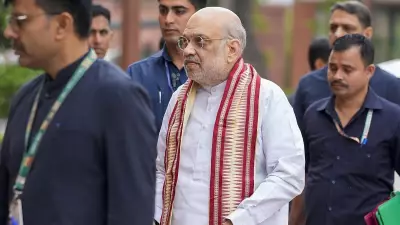
BJP state president Sunil Jakhar labeled the decision as an obstruction to justice, arguing, "The government is hiding wrongdoings by complicating simple processes. Courts should intervene to reject this proposal, as it creates bureaucratic hurdles and could foster bribery culture."
The legal community has also expressed dissatisfaction. Jalandhar-based lawyer Parminder Vig asserted that charging for FIRs is unlawful, noting, "This move deprives people of transparency and discourages collective action against injustice, especially when fees are already high for other services like Suwidha Centres." Senior advocate Mandeep S Sachdev added, "Financial barriers to accessing FIRs, which should be publicly available, are seen as hurdles to justice."
Broader Implications for Transparency
Critics argue that this policy could significantly impact public access to information, hindering accountability in law enforcement. The debate highlights ongoing tensions between administrative costs and the right to information, with many fearing it sets a precedent for restricting digital transparency in policing across India.