Allahabad High Court: Claiming 'Only True Religion' is Wrong in Secular India
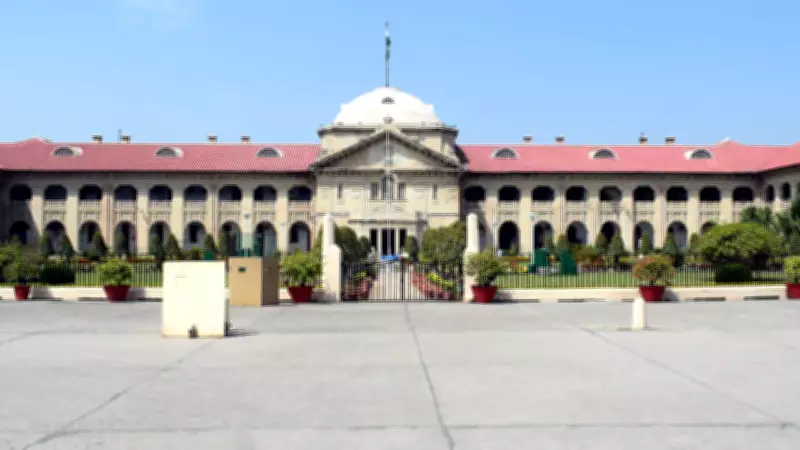
The Allahabad High Court has made a significant observation, stating that it is wrong for any person in secular India to claim that a particular religion is the only true religion. The court emphasized that such assertions imply a disparagement of other faiths and attract Section 295A of the Indian Penal Code (IPC), which deals with deliberate and malicious acts intended to outrage religious feelings.
Case Background and Dismissal of Petition
Justice Saurabh Srivastava, in his judgment dated March 18, dismissed a quashing petition filed by Reverend Father Vineet Vincent Pereira. Father Pereira is facing charges under Section 295A IPC for allegedly conducting prayer meetings where he frequently stated that Christianity is the only religion, thereby hurting the sentiments of Hindus, as per an FIR.
During the investigation, the investigation officer concluded that no illegal religious conversion had taken place. However, the police proceeded with a chargesheet regarding allegations of criticizing other religions. Father Pereira's counsel argued that he was falsely implicated and that no offense under Section 295A IPC was made out, claiming the magistrate took cognizance without applying a judicial mind.

Court's Reasoning and Legal Analysis
The state countered that the applicant's contentions involved disputed questions of fact requiring evidence appreciation. Justice Srivastava stressed that India is a secular state where people of all faiths live together, as defined by the Constitution. Therefore, it is wrong for any religion to claim that it is the only true religion as it implies a disparagement of other faiths, the bench said.
The court clarified that Section 295A specifically deals with deliberate and malicious intentions to outrage religious feelings. It found that Father Pereira's acts fall within this ambit, and at this stage, it cannot be said prima facie that no case exists. The court noted that a magistrate is only required to record a prima facie opinion based on the material on record, not hold a mini trial.
Key Legal Principles Highlighted
- India's secular fabric requires respect for all religions, and claims of exclusivity are legally problematic.
- Section 295A IPC is designed to protect religious sentiments from malicious insults.
- At the cognizance stage, courts focus on whether a prima facie case exists, not on merits or evidence depth.
This judgment reinforces the legal boundaries around religious discourse in India, underscoring the importance of maintaining harmony in a diverse society.