Delhi High Court Declares Karti Chidambaram's Plea Infructuous in Chinese Visa Scam Case
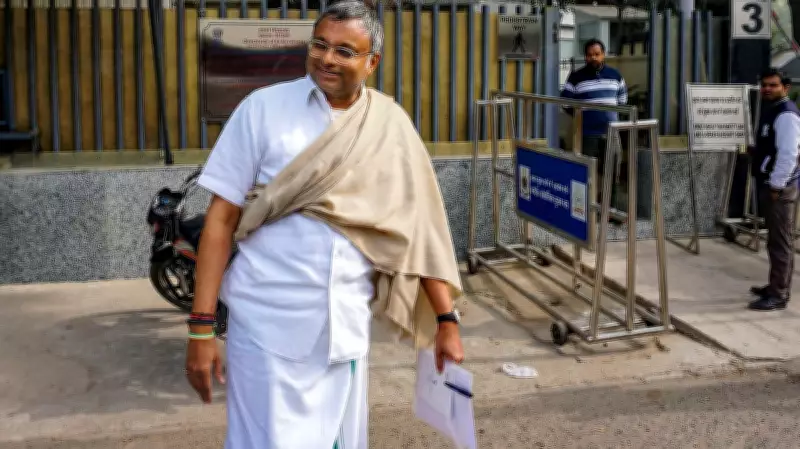
The Delhi High Court has dismissed a plea filed by Karti Chidambaram, son of senior Congress leader P. Chidambaram, in connection with the high-profile Chinese visa scam case. The court labeled the petition as "infructuous", effectively shutting down his legal challenge in this ongoing matter.
Enforcement Directorate Opposes Plea, Highlights Independent Trials
During the proceedings, the Enforcement Directorate (ED) strongly opposed Karti Chidambaram's plea. The federal agency argued that the trials for the scheduled offence and the associated money laundering case are continuing independently. This opposition played a crucial role in the court's decision to dismiss the plea.
The ED's stance underscores the complexity of the legal battles surrounding the Chinese visa scam. The agency emphasized that the separate trials are progressing without interference, suggesting that Chidambaram's petition had no substantive merit at this stage.

Background of the Chinese Visa Scam Case
The case revolves around allegations of irregularities in the issuance of visas to Chinese nationals. Karti Chidambaram has been under investigation by the ED for his alleged involvement in money laundering linked to this scam. The probe has been a focal point in political and legal circles, given the high-profile nature of the accused.
Key aspects of the case include:
- Allegations of corruption and bribery in visa approvals.
- Money laundering charges against Karti Chidambaram and others.
- Ongoing trials in both the scheduled offence and money laundering proceedings.
Legal Implications and Future Proceedings
The dismissal of the plea by the Delhi High Court marks a significant development in the case. By declaring it infructuous, the court has indicated that the petition does not serve a practical purpose given the current status of the trials. This decision may streamline the legal process, allowing the ED to proceed with its investigations and court cases without additional delays.
Looking ahead, the independent trials mentioned by the ED will continue to unfold. Observers note that this case could have broader implications for political accountability and anti-corruption efforts in India. The outcome of these trials will be closely watched by legal experts and the public alike.
In summary, the Delhi High Court's ruling reinforces the judicial system's commitment to handling such cases methodically, while the ED's active opposition highlights the ongoing efforts to combat financial crimes in high-stakes scenarios.