

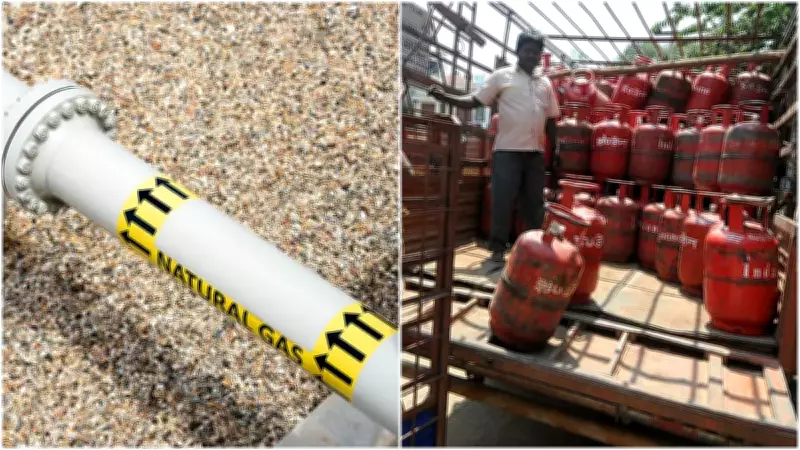
Government Accelerates PNG Network Expansion in Cities Amid LPG Supply Concerns
The Central government has initiated a major push to rapidly expand Piped Natural Gas (PNG) networks across urban areas in India. This strategic move comes as a response to ongoing challenges in the supply of Liquefied Petroleum Gas (LPG), aiming to provide a more stable and efficient energy alternative for households and commercial establishments.
Addressing LPG Supply Constraints
Amid reports of intermittent LPG shortages and distribution bottlenecks, the Centre is prioritizing the development of PNG infrastructure. Officials have highlighted that expanding PNG networks will not only alleviate pressure on the LPG supply chain but also offer a continuous and convenient fuel source for consumers. The initiative is part of a broader effort to enhance energy security and reduce dependency on imported LPG.
Key Focus Areas for Expansion
The expansion plan targets major metropolitan cities and tier-2 urban centers, where demand for clean cooking fuel is high. Key components of the strategy include:

- Accelerating the laying of PNG pipelines in residential and commercial zones.
- Increasing the number of PNG connections to households and businesses.
- Integrating PNG with existing city gas distribution networks for seamless supply.
- Promoting the use of PNG as a cost-effective and environmentally friendly alternative to LPG.
Benefits of PNG Over LPG
PNG offers several advantages over traditional LPG cylinders, including:
- Continuous Supply: Unlike LPG, which requires cylinder refills, PNG provides an uninterrupted flow of gas through pipelines.
- Safety: Reduced risk of accidents associated with cylinder handling and storage.
- Environmental Impact: Lower carbon emissions compared to LPG, aligning with India's climate goals.
- Convenience: Eliminates the need for booking and waiting for cylinder deliveries.
Implementation and Challenges
The government is collaborating with public and private sector entities to expedite the rollout of PNG networks. However, challenges such as high initial infrastructure costs, regulatory approvals, and coordination with local authorities must be addressed. Efforts are underway to streamline processes and incentivize investments in the sector.
This initiative underscores the Centre's commitment to modernizing India's energy infrastructure and ensuring reliable access to clean fuels. As urban populations grow, the expansion of PNG networks is expected to play a crucial role in meeting energy demands sustainably.






