Calcutta High Court Grants Permission for Ram Navami Procession in Howrah
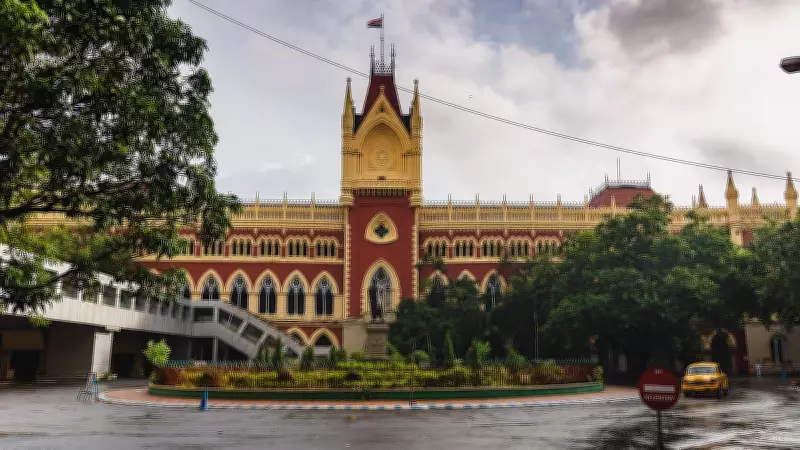
In a significant ruling, the Calcutta High Court has allowed a Ram Navami procession to proceed in Howrah, West Bengal. This decision overturns a prior ban imposed by local police authorities, marking a pivotal moment for religious freedom in the region.
Court Overturns Police Ban on Religious Event
The court's intervention came after the Howrah police had prohibited the Ram Navami procession, citing potential law and order concerns. However, the High Court, upon reviewing the case, found the ban to be unjustified and in violation of constitutional rights.
Emphasizing the fundamental right to religious freedom under Article 25 of the Indian Constitution, the bench stated that such restrictions must be based on concrete evidence of imminent threat, not mere apprehensions. The court directed the police to provide adequate security arrangements to ensure the procession proceeds peacefully.

Details of the Ram Navami Procession in Howrah
The permitted Ram Navami procession is scheduled to take place in Howrah, a key industrial city adjacent to Kolkata. Organizers have outlined the route and timing, which the court has approved with conditions to maintain public order.
- The procession will follow a designated path through Howrah, avoiding sensitive areas to minimize disruptions.
- Local authorities are required to deploy sufficient police personnel along the route.
- Participants must adhere to all guidelines set by the court and law enforcement agencies.
This ruling is expected to set a precedent for similar religious events across West Bengal, reinforcing the balance between security measures and the exercise of religious rights.
Broader Implications for Religious Freedom in India
The Calcutta High Court's decision highlights the ongoing judicial support for religious freedoms in India. By overturning the police ban, the court has underscored that restrictions on religious activities must be proportionate and evidence-based.
Legal experts note that this case could influence future disputes involving religious processions, particularly in regions with diverse communities. It serves as a reminder of the judiciary's role in upholding constitutional guarantees amidst administrative challenges.
As West Bengal prepares for the Ram Navami celebrations, all eyes will be on Howrah to see how this court-mandated permission unfolds in practice, ensuring both devotion and decorum are maintained.