Senate Intensifies Scrutiny Over $14 Billion Iran Sanctions Relief
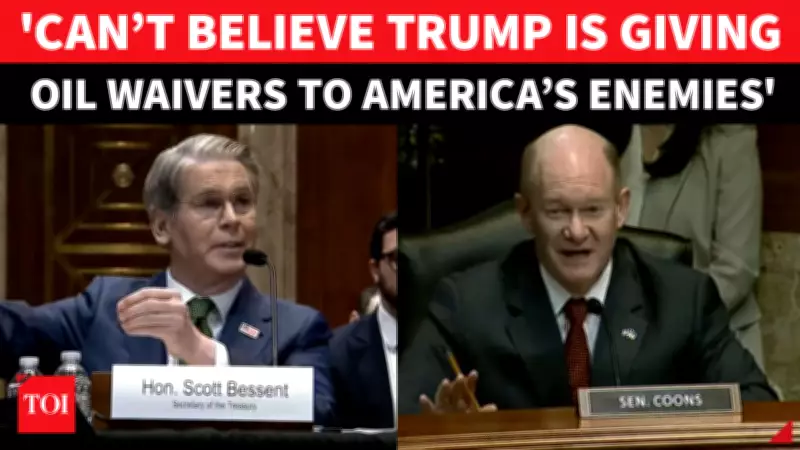
U.S. Secretary of the Treasury Scott Bessent was subjected to a rigorous and heated interrogation during a Senate Appropriations financial services subcommittee hearing on the budget. The focus of the intense scrutiny centered on the administration's decision to extend temporary sanctions relief on Russian and Iranian oil, a move that has sparked significant controversy and debate.
Defending the Decision Amid Global Energy Pressures
In his defense, Bessent argued that the sanctions relief was a necessary measure to prevent a potential surge in global oil prices. "If we had not done that sanctions relief, they might have been at $150," he stated, emphasizing the delicate balance the administration is attempting to maintain. This strategy aims to apply pressure on Moscow while simultaneously addressing concerns over escalating energy costs that could impact consumers worldwide.
Democratic Senator Chris Coons Leads the Charge
The hearing took a particularly sharp turn when Senate Democrat Chris Coons directed pointed questions at Bessent. Coons grilled the Treasury Secretary on the specifics of the sanctions relief for Russian oil and its implications for consumer costs within the United States. The exchange highlighted the deep political divisions and strategic dilemmas surrounding U.S. foreign policy and economic decisions.

This development occurs against a backdrop of heightened tensions involving Iran, as evidenced by recent related reports. These include incidents such as Iran's military actions in the Hormuz Strait, displays of ballistic missile capabilities, and escalating rhetoric between global powers. The Senate hearing underscores the complex challenges faced by the U.S. in navigating international relations while managing domestic economic pressures.
The administration's approach continues to draw criticism from various quarters, with opponents arguing that it inadvertently aids U.S. enemies by providing financial relief. As debates rage on, the outcome of these policies remains closely watched by policymakers and the public alike, shaping the future of U.S. diplomatic and economic strategies in a volatile global landscape.