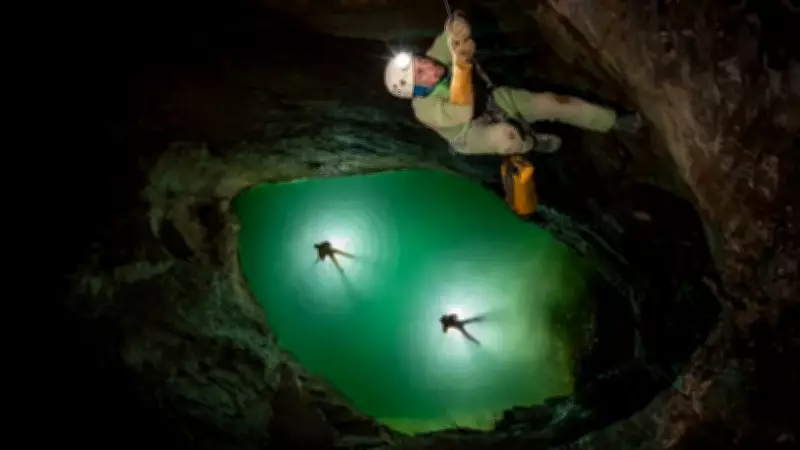
Earth's Deepest Caves: Geological Marvels and Exploration Challenges
Scientists around the world continue to study the deepest caves on Earth, which represent unique environments created through millions of years of geological processes. These remarkable formations typically occur in areas rich with limestone rocks, where water slowly erodes the rock over immense time periods to create both vertical pits and horizontal tunnels.
The Formation Process and Exploration Difficulties
The creation of these cave systems requires extensive geological time, but the result is a complex network of passages that remains incompletely mapped to this day. Most of these deep caves have not been fully explored due to their extreme depths and the presence of tight, challenging spaces that present significant obstacles to speleologists.
The list of the world's deepest caves continues to evolve as new surveys refine measurements and exploration teams push deeper into uncharted territory. Some of these cave systems extend beyond two kilometers vertically, placing them among the most extreme geological formations known to humanity.

Current Record Holders: The Top 10 Deepest Caves
The following overview presents currently recorded depths and key geological features based on available exploration data from WorldAtlas and other scientific sources:
- Veryovkina Cave: 2,212 meters deep, 10.9 miles long
- Krubera-Voronja Cave: 2,199 meters deep, 14.3 miles long
- Sarma Cave: 1,830 meters deep, 11.9 miles long
- Snezhnaja Cave: 1,760 meters deep, 25.4 miles long
- Lamprechtsofen: 1,735 meters deep, 38 miles long
- Gouffre Mirolda: 1,733 meters deep, 8.1 miles long
- Gouffre Jean-Bernard: 1,617 meters deep, 16.8 miles long
- Sistema del Cerro del Cuevón: 1,589 meters deep, 4.3 miles long
- Hirlatzhöhle: 1,560 meters deep, 70.2 miles long
- Sistema Huautla: 1,560 meters deep, 55 miles long
Detailed Exploration of Key Cave Systems
Veryovkina Cave: The Current Depth Champion
Veryovkina Cave is currently recorded as the deepest known cave on Earth at 2,212 meters, located in the Arabika Massif of Abkhazia. This remarkable formation developed in limestone karst where water erosion has created both vertical shafts and long galleries over geological time. First explored in 1968, the full depth was confirmed much later through extensive surveying efforts.
The cave system presents numerous challenges including periodic floods, extremely tight passages, and deep pits that make exploration exceptionally difficult. Significant portions of Veryovkina Cave remain unmapped due to unstable conditions and variations in water flow that create dangerous conditions for exploration teams.
Krubera-Voronja Cave: A Close Contender
Krubera-Voronja Cave reaches 2,199 meters in depth and lies in close proximity to Veryovkina Cave in the same Abkhazian region. This cave features complex branching passages and deep water-filled sumps that require specialized diving equipment for exploration. The vertical structure was shaped primarily by erosion from underground rivers that have carved through the limestone over millennia.
Exploration of Krubera-Voronja Cave is limited by multiple factors including hypothermia risks, seasonal flooding, and access problems that vary throughout the year. Several branches extend beyond 1,300 meters in depth, creating complex navigation challenges for speleologists working in these extreme underground conditions.
Sarma Cave: The Arabika Massif's Third Deepest
Sarma Cave, also located in the Arabika Massif, reaches 1,830 meters in depth and is known for its combination of wide chambers and narrow connecting tunnels. Water inflow can rise rapidly during periods of heavy rainfall, significantly affecting access and creating dangerous conditions for exploration teams.

Geological surveys suggest that additional undiscovered passages may exist below currently mapped levels, indicating that the cave system may be even more extensive than currently documented. Sarma Cave remains partially unexplored due to unstable hydrological conditions and difficult terrain that presents ongoing challenges to researchers.
Snezhnaja Cave: Complex Geological Layers
Snezhnaja Cave spans 1,760 meters in depth and contains impressive large chambers, including the notable Throne Hall and Hall X. The cave features multiple erosion layers that indicate different geological periods in its formation history. First explored in the late 1960s, the full depth was confirmed in the 1990s through more advanced surveying techniques.
Complex siphons and large speleothems make navigation through Snezhnaja Cave particularly difficult, requiring technical equipment for safe passage through these challenging underground environments.
Lamprechtsofen: Historical Legends and Modern Exploration
Lamprechtsofen in Austria reaches a depth of 1,735 meters and extends over long mapped passages that have been documented through centuries of exploration. This cave is associated with historical legends of hidden treasure and early exploration attempts dating back to previous centuries.
The cave contains numerous natural features including waterfalls, dripstone formations, and large chambers that have been expanded through modern surveys. Access to Lamprechtsofen is partially open to visitors in designated sections only, with other areas restricted for safety and conservation purposes.
Gouffre Mirolda: Decades of Exploration
Gouffre Mirolda in the French Alps reaches 1,733 meters in depth and was fully measured in the early 2000s after decades of exploration efforts. The system includes siphons, fossil galleries, and branching passages formed by ancient drainage activity that has shaped the cave over geological time.
Stalactites and mineral deposits are present throughout Gouffre Mirolda, creating visually stunning underground landscapes. Access conditions vary with seasonal water levels that affect safe entry points, and some sections remain unexplored due to instability underground that presents safety concerns.
Gouffre Jean-Bernard: French Alpine Formation
Gouffre Jean-Bernard is located in the French Alps and reaches 1,617 meters in depth. This cave consists of interconnected shafts and galleries formed in Jurassic limestone through extensive water erosion processes. First explored in the 1960s, it later became recognized as one of the deepest known cave systems in the world.
The cave is named after two explorers linked to its history, and water flow continues to shape internal passages, indicating that the cave system remains geologically active and evolving.
Sistema del Cerro del Cuevón: Spanish Depths
Sistema del Cerro del Cuevón in Spain reaches 1,589 meters in depth within the Picos de Europa region. This system includes multiple entrances and long vertical drops that required extended expedition efforts with large teams assisting descent and ascent operations.
The system was fully reached in 1998, and subsequent research has examined gas emissions within the cave system, providing valuable data about underground atmospheric conditions in these extreme environments.
Hirlatzhöhle: Extensive Austrian System
Hirlatzhöhle in Austria reaches a depth of 1,560 meters and extends over an impressive 70 miles in length, making it one of the most extensive cave systems in the world. The cave contains multiple entrances, some of which require diving access through underwater passages.
Hirlatzhöhle includes large vertical shafts and unstable rock formations that present ongoing challenges to exploration teams. Exploration continues due to complex passages and barriers such as the Dark Star vent, with one fatal incident recorded during expedition work that highlights the dangers of deep cave exploration.
Sistema Huautla: Western Hemisphere's Deepest
Sistema Huautla in Mexico represents the deepest cave system in the Western Hemisphere at 1,560 meters in depth. This extensive formation developed in limestone through long-term water erosion processes that have created interconnected tunnels, chambers, and sumps.
First explored in 1965, deeper sections were reached in later expeditions using advanced diving equipment that allowed researchers to penetrate further into the system. The cave holds cultural significance for local Mazatec communities, adding an anthropological dimension to its geological importance.
The Future of Deep Cave Exploration
As technology advances and exploration techniques improve, scientists anticipate discovering even deeper cave systems and gaining greater understanding of these remarkable geological formations. The ongoing study of Earth's deepest caves provides valuable insights into geological processes, underground ecosystems, and the limits of human exploration in extreme environments.
Each expedition into these depths contributes to our collective knowledge of Earth's subsurface world, revealing formations that have developed over millions of years through the persistent action of water on soluble rock. The challenges of exploring these environments continue to push the boundaries of speleology and underground science.