

NATO Chief Defends Trump's Secrecy on Iran War Plan, Cites Security Concerns
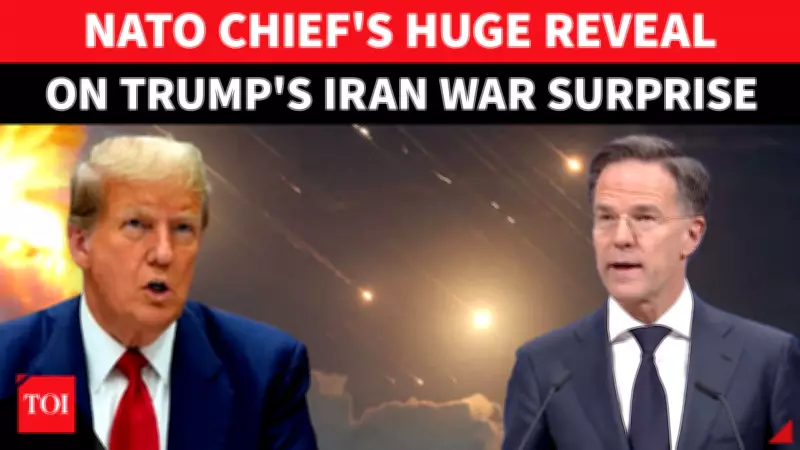
NATO Secretary General Mark Rutte has publicly defended former US President Donald Trump's controversial decision to keep Iran strike plans secret from European allies. This defense comes after Trump labeled NATO partners as "cowards" regarding the Iran crisis, highlighting deepening rifts within the Western alliance.
Operational Security Cited as Primary Reason
Rutte suggested that Washington's secrecy was driven by a need to prevent potential intelligence leaks, acknowledging significant trust deficits among allies. He emphasized that while limited consultation delayed Europe's response capabilities, it was a necessary measure to ensure operational security in a highly volatile situation.
The NATO chief's comments arrive as tensions escalate around the Strait of Hormuz, a critical global energy chokepoint through which approximately 20% of the world's oil passes. The strategic waterway has become a flashpoint in the ongoing Iran crisis, with military posturing increasing on all sides.

Visible Divisions Between US and European Partners
As the crisis intensifies, the divisions between the United States and its Western partners are becoming increasingly apparent. Rutte's defense of Trump's approach underscores the complex balancing act NATO faces in maintaining alliance cohesion while addressing legitimate security concerns.
The situation reveals fundamental differences in strategic approaches to crisis management, with the US favoring unilateral action capabilities while European nations typically advocate for more collaborative decision-making processes within the alliance framework.
Broader Context of Rising Regional Tensions
This development occurs against a backdrop of heightened military activity throughout the Middle East. Recent reports indicate:
- Iran has fortified its positions on Kharg Island with mines and man-portable air defense systems
- Russia has allegedly supplied Iran with advanced drone technology
- Regional proxy groups have increased attacks on various targets
- Global energy markets remain jittery about potential disruptions
The secrecy surrounding US war plans has raised questions about the future of intelligence sharing within NATO and whether this incident will lead to permanent changes in how the alliance coordinates military operations.






