Iran's Diplomatic Overture from Indian Soil: A Pledge for Peace
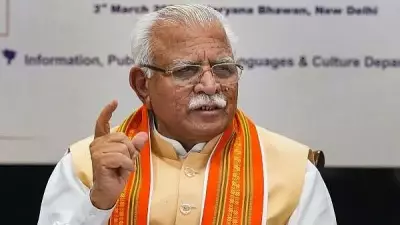
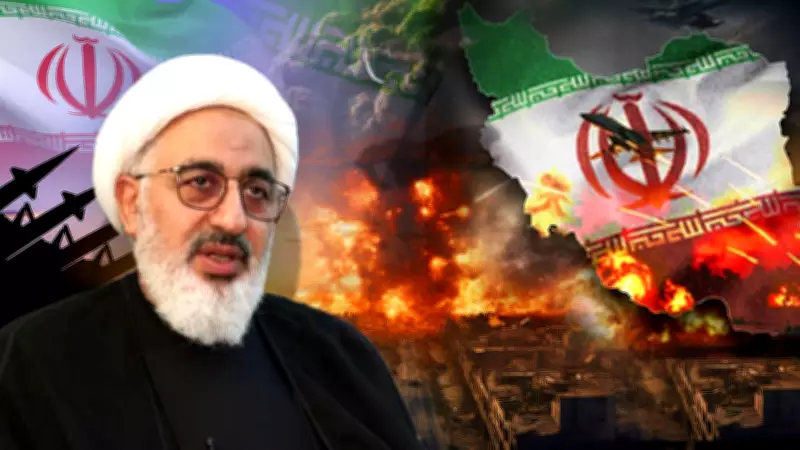
In a significant diplomatic development that could reshape the volatile landscape of West Asia, a high-ranking Iranian representative closely associated with Supreme Leader Ayatollah Ali Khamenei has delivered a powerful message from India. The official unequivocally stated that Iran has no intentions of developing nuclear weapons and expressed a clear readiness to bring an end to the ongoing regional war. This declaration arrives at a critical juncture, as global tensions escalate and concerns over energy security intensify worldwide.
India's Emerging Role as a Potential Peacemaker
The Iranian representative specifically pointed to India as a nation capable of playing a meaningful and constructive role in resolving the protracted West Asia crisis. This acknowledgment underscores a growing international trust in New Delhi's balanced and pragmatic diplomatic approach. For India, this moment represents both an opportunity and a challenge, reflecting its rising stature on the global stage.
India maintains substantial stakes in regional stability and secure energy supplies, positioning it uniquely as a potential bridge between competing powers in the region. The Iranian official's statement implicitly recognizes India's non-aligned, multi-vector foreign policy, which allows it to engage with various actors without being perceived as overtly partisan.

Context and Criticisms: External Forces and Regional Dynamics
During the address, the Iranian official placed blame on external forces for prolonging the conflict in West Asia, though specific nations were not named. Additionally, the representative dismissed recent claims from Pakistan regarding its mediation efforts, suggesting that not all regional players are viewed as equally credible or effective in facilitating peace.
The timing of this message is particularly noteworthy, as it comes amid heightened global anxieties about nuclear proliferation and energy market disruptions. Iran's clear disavowal of nuclear weapons ambitions could be seen as an attempt to alleviate some of these concerns and open diplomatic channels.
The Critical Question: From Trust to Tangible Influence
While the Iranian overture highlights the international community's growing confidence in India's diplomatic capabilities, a fundamental question remains: will this trust translate into real, actionable influence? India's ability to leverage this position into concrete peacemaking outcomes will be closely watched by global observers.
New Delhi's challenge lies in navigating complex regional alliances, historical animosities, and great-power rivalries. Success would not only enhance India's global standing but could contribute significantly to stabilizing a region crucial to world energy supplies. However, the path from being a recognized potential mediator to an effective one is fraught with diplomatic hurdles and requires careful, sustained engagement.
This development marks a pivotal moment for Indian foreign policy, testing its capacity to transform diplomatic goodwill into substantive conflict resolution. The coming months will reveal whether India can capitalize on this opportunity to foster dialogue and de-escalation in one of the world's most turbulent regions.