India Secures Crucial 30-Day US Waiver for Russian Oil Imports
In a major diplomatic and economic breakthrough, India has successfully negotiated a 30-day waiver from the United States, allowing it to continue purchasing Russian oil without facing sanctions. This development comes at a critical juncture, as escalating conflicts in the Middle East threaten to disrupt global energy supplies and drive up prices.
Background and Context of the Waiver
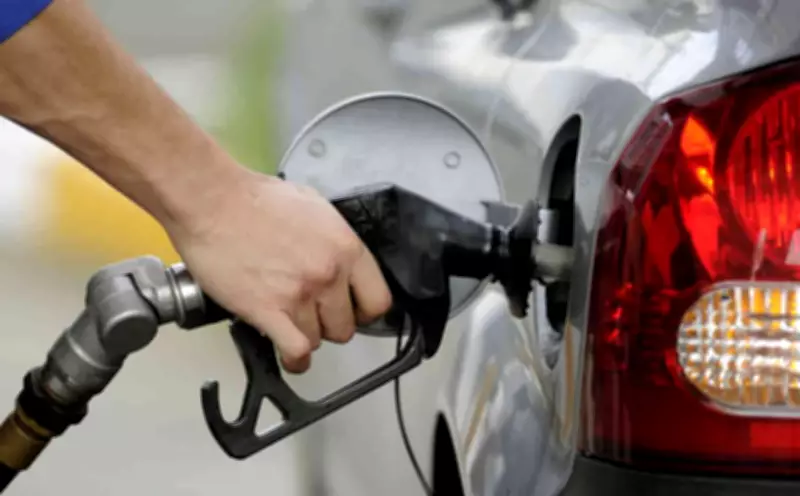
The waiver was granted amid rising geopolitical tensions, particularly in the Middle East, where ongoing conflicts have heightened concerns over oil stability. India, as one of the world's largest importers of crude oil, relies heavily on Russian supplies to meet its energy needs and maintain affordable fuel prices for its citizens. The US, which has imposed sanctions on Russian energy exports following the Ukraine conflict, made an exception for India in recognition of its strategic partnership and the broader implications for global energy security.
This move is seen as a significant relief for the Indian economy, which has been grappling with inflationary pressures and supply chain disruptions. By securing this waiver, India can temporarily bypass the sanctions, ensuring a steady flow of oil to support its industrial and domestic sectors.

Implications for India and Global Energy Markets
The 30-day period provides India with a crucial window to stabilize its oil imports and explore alternative sources, reducing dependency on any single supplier. Key implications include:
- Economic Stability: The waiver helps mitigate potential fuel price hikes, which could have exacerbated inflation and strained household budgets.
- Diplomatic Relations: This decision underscores the strengthening ties between India and the US, highlighting collaborative efforts to address global challenges.
- Energy Security: Amid Middle East conflicts, securing this waiver enhances India's energy resilience, preventing supply shortages that could impact economic growth.
Experts suggest that this waiver may also prompt other nations to seek similar concessions, potentially reshaping global oil trade dynamics. However, the temporary nature of the waiver means India must use this time to diversify its energy portfolio and invest in renewable sources to reduce long-term risks.
Looking Ahead: Challenges and Opportunities
While the waiver offers immediate relief, it also presents challenges. India faces pressure to balance its energy imports with diplomatic considerations, especially as conflicts in the Middle East continue to evolve. Opportunities lie in:
- Negotiating Extensions: India may pursue further extensions or permanent arrangements based on mutual interests with the US.
- Enhancing Domestic Production: Accelerating domestic oil exploration and production can reduce reliance on imports.
- Promoting Renewable Energy: Investing in solar, wind, and other renewables can provide sustainable alternatives and align with global climate goals.
In conclusion, the 30-day US waiver for Russian oil purchases marks a pivotal moment for India, offering a buffer against geopolitical uncertainties. As tensions in the Middle East persist, this development highlights the importance of strategic diplomacy and adaptive energy policies in safeguarding national interests.