

India Strengthens Maritime Fleet for Critical Hormuz Strait Passage
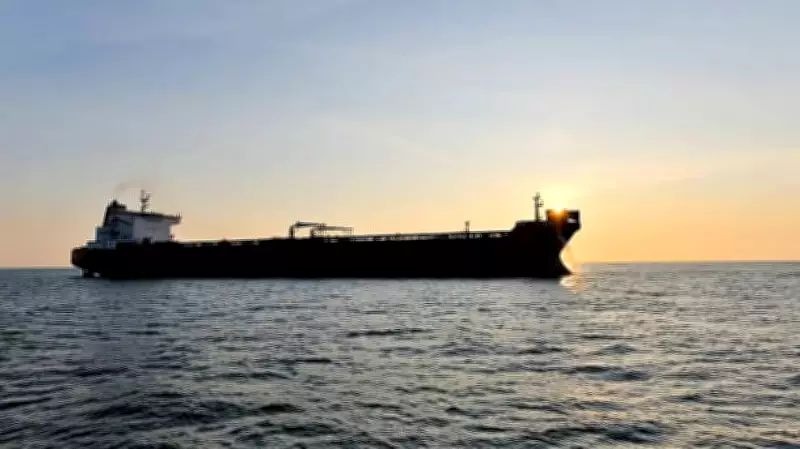
In a significant move to bolster national maritime security and ensure the safe transit of commercial shipping, the Government of India has confirmed that a greater number of Indian-flagged vessels are now prepared and equipped to sail through the strategically vital Strait of Hormuz. This development comes as part of ongoing efforts to address regional geopolitical tensions and safeguard India's economic and energy interests in the volatile Middle Eastern waters.
Enhanced Preparedness Amid Regional Instability
The Strait of Hormuz, a narrow maritime chokepoint connecting the Persian Gulf with the Gulf of Oman and the Arabian Sea, is one of the world's most crucial shipping lanes. It serves as a primary conduit for global oil and gas exports, with a substantial portion of India's energy imports traversing this route. Recent escalations in regional conflicts and security threats have prompted the Indian government to proactively enhance the readiness of its commercial fleet.
Official sources indicate that the preparedness measures involve comprehensive risk assessments, upgraded navigation and communication systems, and enhanced coordination with international maritime security forces. The government has emphasized that these steps are aimed at ensuring the uninterrupted flow of trade and protecting Indian seafarers and assets from potential hazards.

Strategic Implications for India's Economy and Security
This initiative underscores India's growing assertiveness in maritime affairs and its commitment to securing key sea lines of communication. By increasing the number of vessels ready to navigate the Strait of Hormuz, India aims to reduce dependency on foreign-flagged ships and mitigate risks associated with regional disruptions. The move is expected to have positive implications for India's energy security, as stable transit through the strait is critical for maintaining consistent supplies of crude oil and liquefied natural gas.
Furthermore, the government's preparedness plan includes contingency protocols for emergency situations, such as naval escorts or alternative routing, in collaboration with allied nations. This holistic approach reflects India's broader strategy to enhance its blue economy and strengthen its position as a responsible maritime stakeholder in the Indian Ocean Region.
Future Outlook and Regional Cooperation
Looking ahead, the Indian government plans to continue monitoring the security landscape in the Strait of Hormuz and adapt its preparedness measures accordingly. There is also a focus on fostering greater regional cooperation through diplomatic channels and multilateral forums to ensure collective maritime security. As global attention remains fixed on this strategic waterway, India's proactive stance is likely to contribute to stability and confidence among international shipping communities.
In summary, the increased readiness of Indian-flagged vessels for transit through the Strait of Hormuz marks a pivotal step in India's maritime security framework, aligning with national interests and global trade imperatives.






