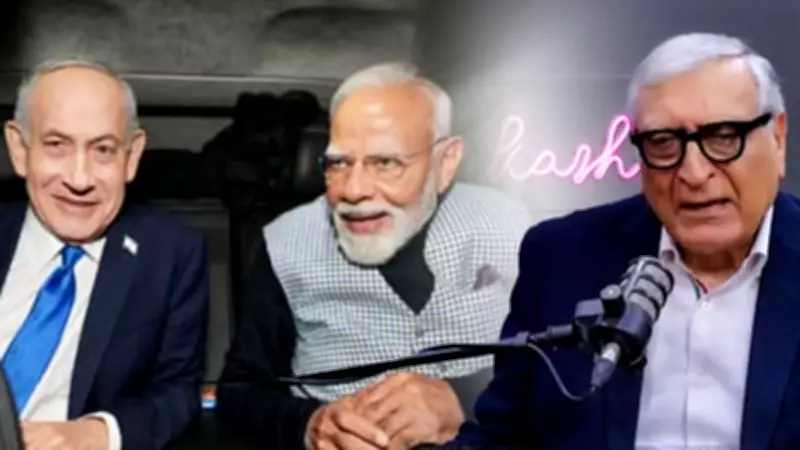
Former Diplomat Criticizes India's West Asia Diplomacy
Former Foreign Secretary Kanwal Sibal has ignited a significant debate regarding India's diplomatic positioning in West Asia, raising pointed questions about Prime Minister Narendra Modi's engagement with Israeli leader Benjamin Netanyahu and New Delhi's response to developments in Iran.
Netanyahu's Strategic Use of Modi Visit
In a detailed interview with ANI, Sibal articulated concerns that Prime Minister Netanyahu appeared to have strategically exploited the optics of Prime Minister Modi's visit to bolster Israel's international narrative. The former diplomat emphasized that such high-profile diplomatic engagements can sometimes be utilized for strategic messaging purposes, particularly during periods of heightened geopolitical tension.
Sibal elaborated that the timing and presentation of the meeting allowed Netanyahu to project an image of strong international support, which could influence global perceptions of Israel's position in regional conflicts. This observation highlights the complex interplay of symbolism and substance in modern international relations.

Questioning India's Iran Response
The former foreign secretary also directed scrutiny toward India's official response following the assassination of Iran's Supreme Leader Ali Khamenei. Sibal suggested that New Delhi could have expressed appropriate condolences without making references to the United States, implying that India's statement may have unnecessarily complicated its diplomatic positioning.
This criticism touches upon the delicate balancing act India must maintain in West Asia, where it cultivates important relationships with multiple stakeholders including Israel, Iran, and various Gulf nations. Sibal's remarks suggest that India's messaging could have been more carefully calibrated to avoid perceptions of alignment with specific international actors.
The Complexity of India's Foreign Policy
Sibal's observations underscore the multifaceted challenges facing Indian diplomacy in West Asia. India maintains crucial economic, energy, and strategic interests across the region, necessitating a nuanced approach that avoids alienating key partners.
The former diplomat's comments highlight several critical aspects of contemporary Indian foreign policy:
- The need for precise diplomatic messaging that advances national interests
- The importance of understanding how other nations might leverage India's international engagements
- The delicate balance required when responding to sensitive regional developments
- The strategic implications of high-profile leadership meetings
These remarks come at a time when India's global diplomatic footprint continues to expand, requiring increasingly sophisticated approaches to international relations. Sibal's perspective as a former senior diplomat provides valuable insight into the calculations behind India's foreign policy decisions and their potential interpretations by international observers.
The discussion initiated by Sibal reflects ongoing debates within diplomatic circles about how emerging powers like India should navigate complex geopolitical landscapes while protecting their strategic autonomy and national interests.