Australian Envoy Philip Green on Tech, AI, and Diplomacy's Future in Bengaluru
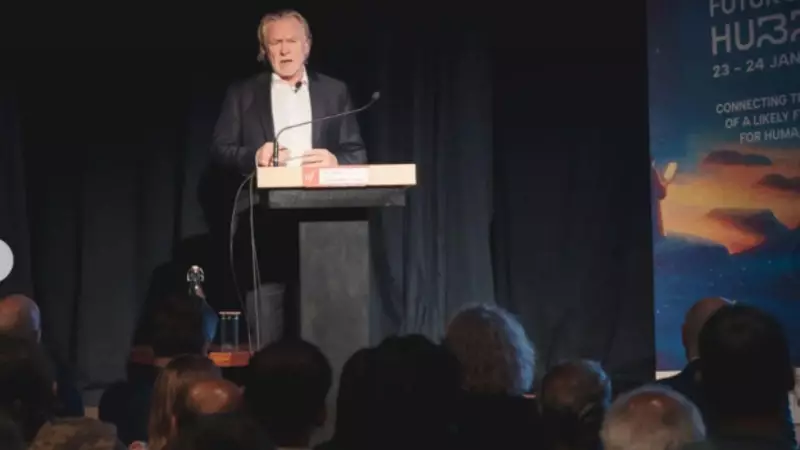
In a thought-provoking address at the Futures talk series, part of the Bengaluru Hubba art and culture festival, Australian High Commissioner Philip Green emphasized the transformative role of technology and artificial intelligence in modern diplomacy. Speaking at Alliance Francaise in Bengaluru on January 27, 2026, Green dismissed notions that diplomacy is becoming irrelevant, asserting that its evolution is more dynamic than ever.
Substance Over Ceremony in Diplomatic Practices
Green highlighted a significant shift in diplomatic approaches, where substance is increasingly replacing ceremony. He explained that ceremonial events are now being leveraged for substantive outcomes, moving beyond mere appearances to foster meaningful dialogue and actionable insights. This change reflects a broader trend towards more focused and impactful engagements in international relations.
Bengaluru's Tech Hub and Australia's Strategic Interests
A key point in Green's speech was the strategic importance of Bengaluru as a technology hub. He revealed that the Australian government established a Consulate General in the city due to its vital interest in the tech sector. Green described this as a global center for information and intelligence on future technological advancements, which are poised to reshape economies and societies worldwide.

Beyond technology, Green noted that diplomacy is expanding into various verticals, including:
- Space exploration and policy
- Counterterrorism efforts
- Scientific collaborations
- Climate change initiatives
This broadening scope underscores the need for specialized expertise in diplomatic missions.
Specialized Expertise and the Role of AI in Diplomacy
Green pointed out that the era of diplomats as generalists is giving way to a demand for specialized domain knowledge. He cited the Australian High Commission in India as an example, describing it as a "mini-Canberra" with officials from diverse ministries such as defence, home affairs, and energy. This integration allows for more nuanced and effective policy implementation.
On the topic of Artificial Intelligence, Green anticipated that AI will streamline operations in diplomatic headquarters through automation, potentially reducing personnel needs there. However, he stressed that this would lead to an increase in field-based diplomats who can leverage AI tools. Diplomats using AI will replace those who do not, he asserted, emphasizing that AI complements rather than replaces human expertise in diplomacy.
Modern Communication and Diplomatic Roles
Green also touched on the impact of instant communication tools like WhatsApp, which enable world leaders to engage more directly and swiftly. He shared insights from a conversation with an EU diplomat, who defined the modern diplomat's role as deeply understanding host societies and enriching leaders' perspectives on global events. This aligns with the broader shift towards more informed and responsive diplomatic practices.
In summary, Philip Green's address at the Bengaluru Futures series painted a picture of a diplomacy that is adapting to technological advancements, prioritizing substantive engagements, and embracing specialized knowledge across multiple sectors.