India Firmly Dismisses Pakistan's Allegations Regarding Balochistan Violence
In a strong diplomatic rebuttal, India on Sunday categorically rejected what it termed as "baseless" allegations from Pakistan regarding recent attacks in Balochistan. Pakistan had claimed that India was backing the violent incidents that resulted in significant casualties across the southwestern province.
Deadly Attacks Rock Restive Province
The controversy stems from multiple coordinated attacks that occurred on Saturday across Balochistan, described by security analysts as the deadliest single day for militants in decades. According to official reports, these attacks included suicide bombings and armed assaults by terrorists that claimed the lives of 33 people, including both civilians and security personnel.
In response to the violence, security forces engaged the attackers, resulting in the deaths of 92 assailants. Over the past 48 hours, authorities reported that at least 133 militants had been killed across the province, with the majority of these casualties occurring during Saturday's confrontations.

MEA's Strong Statement on Social Media
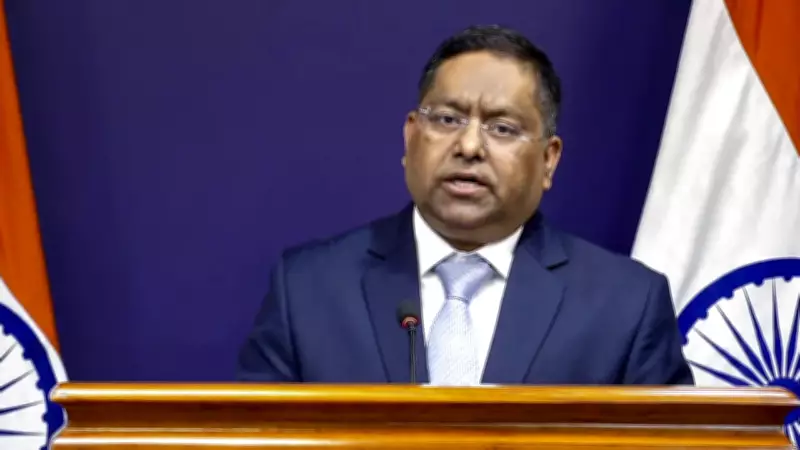
Ministry of External Affairs spokesperson Randhir Jaiswal took to the social media platform X to issue India's official response. In his statement, Jaiswal emphasized that Pakistan's allegations represented nothing more than "its usual tactics to deflect attention from its own internal failings."
The MEA spokesperson further elaborated that instead of making what he called frivolous claims following violent incidents, Pakistan should focus on addressing the legitimate concerns of the Baloch people. "Its record of suppression, brutality and violation of human rights is well known," Jaiswal stated, referencing Pakistan's treatment of the Balochistan region.
Scope and Nature of the Attacks
The coordinated assaults targeted multiple locations across Balochistan, including:
- A high-security prison facility
- Multiple police stations
- Paramilitary installations
- Civilian areas
The outlawed Baloch Liberation Army (BLA) claimed responsibility for the attacks, which also involved bank robberies, arson attacks on police stations, and the torching of dozens of vehicles. In a notable development, the BLA released propaganda videos showing female fighters participating in the operations, apparently aimed at highlighting women's roles within militant organizations.
Pakistan's Accusations and India's Counter
India's response came after Pakistan's military and Interior Minister Mohsin Naqvi publicly alleged that the attackers had received support from India. The Indian government characterized these claims as part of a pattern of behavior from Pakistan designed to shift focus away from domestic challenges.
The MEA statement specifically urged Pakistan to concentrate on "addressing the long-standing demands of the people in Balochistan" rather than making what India considers unfounded accusations against its neighbor. This exchange represents the latest chapter in the ongoing diplomatic tensions between the two nuclear-armed nations regarding regional security matters.
The violence in Balochistan has drawn international attention to the restive province, where separatist movements have long challenged Pakistani authority. The significant casualties on both sides highlight the ongoing security challenges in the region and the complex geopolitical dynamics at play in South Asia.