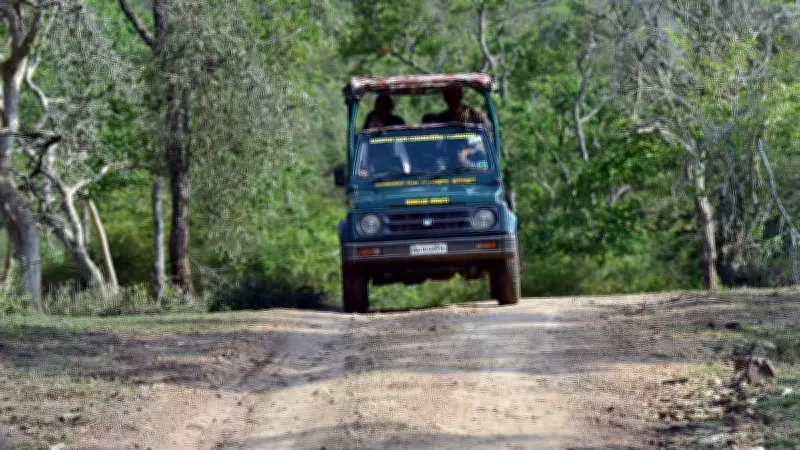
Karnataka Tourism Society Calls for Reversal of Safari Ban in Key Tiger Reserves
In a significant development for wildlife tourism in Karnataka, stakeholders are actively pushing for the lifting of the ban on safari operations in the Bandipur and Nagarahole tiger reserves. This move comes amid ongoing debates over conservation strategies and their impact on local economies.
Advocacy from Tourism Leaders
Leading the charge is S Mahalingaiah Manu, the vice-president of the Karnataka Tourism Society. In a recent statement, Manu emphasized that banning safari activities is not an effective solution to the man-animal conflict that has been a persistent issue in these regions. He argued that such measures fail to address the root causes of these conflicts and instead hinder sustainable tourism practices.
Manu pointed out that safaris play a crucial role in generating revenue for conservation efforts and supporting local communities. By restricting access, the ban may inadvertently reduce funding for wildlife protection and anti-poaching initiatives, which are vital for the long-term survival of tiger populations.

Context of the Ban and Its Implications
The safari ban was implemented as a precautionary measure to mitigate risks associated with human-wildlife interactions, particularly in areas prone to conflicts. However, stakeholders now contend that this approach is overly simplistic. They suggest that alternative strategies, such as improved habitat management and community engagement programs, could be more effective in reducing incidents without compromising tourism.
Bandipur and Nagarahole tiger reserves are among India's premier wildlife destinations, attracting thousands of visitors annually. The ban has not only affected tourist inflows but also impacted employment opportunities for guides, drivers, and other service providers dependent on the safari industry.
Broader Stakeholder Perspectives
Other stakeholders, including conservationists and local business owners, have echoed Manu's sentiments. They highlight that well-regulated safaris can coexist with conservation goals by:
- Promoting environmental education among tourists
- Funding research and monitoring programs
- Creating economic incentives for communities to protect wildlife
However, some voices caution against hastily lifting the ban, urging a balanced approach that prioritizes safety and ecological integrity. They recommend conducting thorough risk assessments and implementing stricter guidelines for safari operations to prevent any negative impacts on wildlife behavior.
Looking Ahead
As discussions continue, the Karnataka government is expected to review the ban in light of these stakeholder inputs. The outcome could set a precedent for how other states manage similar conflicts between tourism development and wildlife conservation. For now, the push to resume safaris remains a key agenda item for tourism advocates seeking to revitalize the sector while addressing conservation challenges.