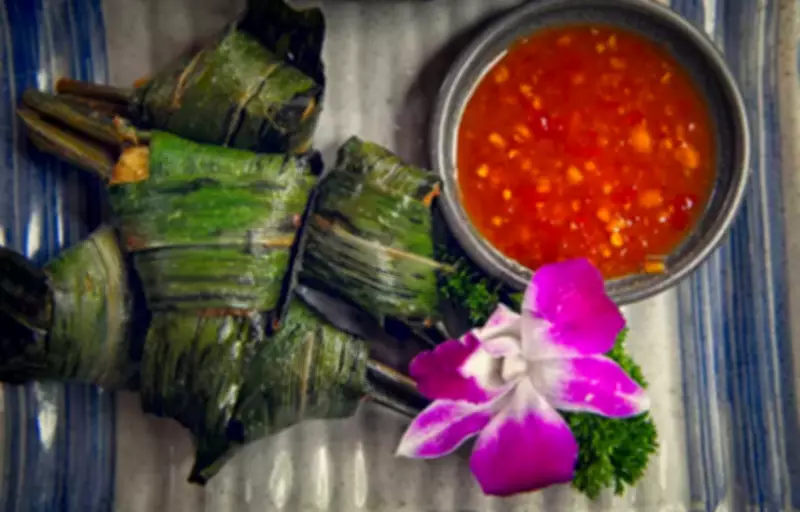
Stroll through any bustling Southeast Asian market, and a distinctive, comforting aroma will likely greet you before you even spot its source. This is the scent of pandan – soft, buttery, with grassy undertones and a faint floral whisper, often described as vanilla with an exotic tropical twist. For centuries, culinary traditions in Thailand, Malaysia, and Sri Lanka have woven these long emerald leaves into their cooking, using them to perfume rice pots, custards, and syrups much like Europeans employ bay leaves or vanilla beans. Now, in a quiet culinary evolution, pandan is beginning to carve out a niche in dessert kitchens across India, captivating pastry chefs, home bakers, and innovative halwais alike.
What Exactly Is Pandan?
Pandan, frequently referred to as screwpine, is neither a powdered spice, a flower, nor a pod. It is a narrow, blade-like leaf, typically knotted before being gently simmered in milk, sugar syrup, or coconut cream. The application of heat releases its precious aromatic oils, imparting a delicate pale green hue and that signature, complex fragrance to liquids.
The flavor profile is nuanced rather than overtly sugary: it offers a creamy sensation without actual cream, leans sweet yet remains herbal, with subtle echoes of jasmine rice and warm custard. In its native Southeast Asia, its use is almost instinctive, finding its way into sticky rice, layered cakes, ice creams, steamed puddings, and chilled beverages. For the Indian palate, accustomed to the aromatic symphony of cardamom, kewra, rose, saffron, and vetiver, pandan does not arrive as a jarring intruder. Instead, it seamlessly integrates into this familiar aromatic spectrum, offering perfume and subtlety rather than a bold punch.

Why Indian Chefs Are Embracing Pandan Now
The growing fascination with pandan is part of a broader, transformative shift in contemporary Indian kitchens. This movement embraces botanical flavors, gentle sweetness, and cross-Asian culinary influences. Increased global travel, the proliferation of culinary television shows, and the efforts of ingredient importers have made fresh pandan leaves and frozen extracts more accessible in metropolitan Indian markets.
In states like Kerala and Tamil Nadu, where culinary traditions already celebrate coconut milk, palm sugar, and steamed desserts, pandan feels particularly harmonious. Its unique aroma pairs naturally with jaggery syrups, rice-based batters, and slow-cooked milk reductions. Innovative chefs are experimenting by infusing pandan into rasmalai milk, steeping it in sugar syrup for sponge cakes, or blending it into custard fillings for choux pastries. Fusion bakeries are creating desserts where pandan sponge is layered with coconut cream and toasted sesame praline, resulting in creations that may look European but carry an unmistakably tropical scent.
From Leaf to Liquid: The Art of Using Pandan
The method of extracting pandan's essence differs from that of vanilla pods, which are split and scraped. Pandan leaves are typically bruised, knotted, or blended with water to release their flavor. The resulting liquid is then strained and incorporated into batters, creams, or syrups. While fresh leaves are prized for their clean, authentic aroma, frozen leaves and bottled extracts are becoming increasingly common for their convenience, especially in professional kitchen settings.
Purists often advocate for the whole leaf, as it imparts fragrance without artificial sweetness or unnaturally fluorescent color. Crucially, pandan is rarely intended to be the dominant note. It excels in a supporting role, rounding out sharper flavors, softening the richness of dairy, and imparting a sense of calm and balance to sugar-heavy desserts.
The Indian Desserts Being Transformed
In Southeast Asia, pandan is renowned for coloring chiffon cakes a beautiful jade-green, flavoring coconut jellies, and scenting layered rice-flour puddings. In India, the creative adaptations are still blossoming, which is a significant part of the ingredient's current excitement.
You might now encounter:

- Pandan-infused Kheer: Where the leaf steeps gently in milk alongside traditional cardamom, adding a sophisticated second layer of aroma.
- Steamed Rice Cakes: Scented with pandan and coconut, these desserts echo the texture of idli but venture decisively into sweet territory.
- Pandan Barfi or Peda: These sweets take on a pale green hue and a soft perfume, especially when paired creatively with white chocolate or khoya.
- Ice Creams and Kulfis: Pandan's fragrance unfolds gradually and beautifully as the frozen dessert melts on the tongue.
Visually, pandan contributes its own subtle drama. Even a light infusion lends desserts a natural, appealing pastel green color, eliminating the need for artificial food dyes. This makes it particularly attractive to chefs and home cooks interested in botanical and natural food coloring.
An Ancient Flavor with Modern Resonance
The compelling aspect of pandan's entry into Indian dessert culture is that it does not feel like a fleeting gimmick or novelty for its own sake. This is an ingredient with profound culinary roots in other parts of Asia, now being thoughtfully interpreted and adapted rather than simply copied. Food historians often observe that Indian cuisine has a long history of absorbing external influences—chillies from the Americas, potatoes via Europe, Persian techniques through royal kitchens—until they become seamlessly integrated and feel native.
Pandan appears poised for a similar, gradual assimilation, finding its place not through viral social media trends but through steady, thoughtful experimentation. There is also something refreshingly understated about this humble leaf in an era often dominated by extravagant, maximalist desserts. Pandan does not shout for attention; it hums a quiet, aromatic melody.
The Scent of Future Trends
If the current trickle of interest evolves into a steady stream, pandan could well become a quiet pantry staple for Indian pastry chefs: a leaf kept in the freezer, ready to perfume a pot of milk, a batch of syrup, or a bowl of cream whenever a dessert calls for softness and subtlety rather than intense spice.
It may never replace cardamom in a traditional payasam or saffron in festive mithai, nor does it need to. Its true charm lies in its ability to widen the aromatic palette available to Indian cooks, offering another nuanced shade of sweetness and a fresh perspective on how fragrance can elevate sugar-based creations.
For now, pandan remains an ingredient of discovery, shared between curious chefs, discussed in innovative bakeries, and featured on experimental menus. But one gentle inhale of its unique aroma is enough to understand its enduring and growing appeal.