Union Budget 2026 Triggers Varied Responses Across Mohali's Industrial and Political Circles
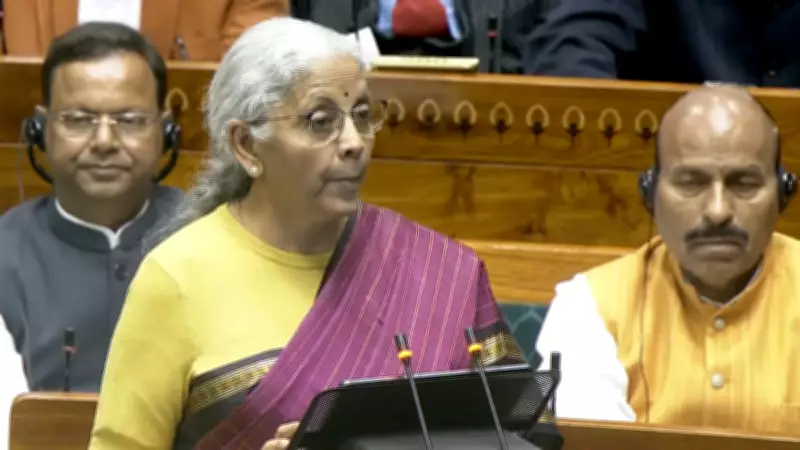
The Union Budget for the fiscal year 2026-27, presented by Finance Minister Nirmala Sitharaman on Sunday, has generated a spectrum of reactions throughout Mohali's diverse industrial, political, and social sectors. While the budget's emphasis on employment generation and tax simplification has been noted, significant concerns regarding execution and regional focus have emerged from key stakeholders.
Industrial Voices Express Cautious Optimism Amid Execution Concerns
Local industry leaders have responded with a blend of hope and practical skepticism. Jasbir Singh Manku, President of the Mohali Chamber of Industry and Commerce, acknowledged the budget's focus on technological advancement and investment. However, he pointed out a critical gap, stating, "While the Budget discusses technological upgradation and investment, there remains a lack of clarity on how grassroots-level MSMEs will practically benefit. The increased credit limit of Rs 10 crore for MSMEs must be effectively implemented to deliver tangible advantages on the ground."
Echoing this sentiment, Dilpreet Singh Boparai, General Secretary of the Mohali Industrial Association (MIA), emphasized that expectations are high, but the ultimate success hinges on implementation. He stressed the need for targeted attention, remarking, "Execution will be the decisive factor. Industrial centers such as Mohali, Ludhiana, Jalandhar, and Amritsar require focused and sustained support to thrive."

Public Appreciates Modest Relief but Seeks More for Senior Citizens
Among the general public, the budget has received a measured welcome. Neelam Rani, a 69-year-old resident of Mohali, shared her perspective, saying, "The Budget provides modest yet positive relief. The simplification of tax procedures and the increased focus on healthcare infrastructure are commendable steps forward. Nevertheless, many senior citizens, including myself, had anticipated a more substantial enhancement in deductions for interest income, which remains a pressing concern."
Political Reactions Remain Sharply Divided Along Party Lines
The political response to the budget in Punjab has been markedly polarized. Senior Punjab Congress leader and former health minister Balbir Singh Sidhu delivered a stern critique, labeling the budget as "deeply disappointing" for the state. He elaborated, "This budget neglects the critical issues facing farmers, MSMEs, and job creation. Once again, the agricultural community has been overlooked, and there is no meaningful relief offered for the escalating household expenses burdening families." Sidhu further criticized the absence of a special financial package for Punjab, which is grappling with significant debt challenges.
Adding to the opposition's criticism, Kuljit Singh Bedi, Mohali Deputy Mayor and Congress leader, described the budget as "disconnected from ground realities." He argued, "There is no concrete or actionable roadmap presented for states like Punjab, which are currently combating severe unemployment and a persistent industrial slowdown. The budget fails to address these core regional issues."
In contrast, the Bharatiya Janata Party (BJP) offered supportive commentary. BJP leader Abha Bansal praised the budget's women-centric initiatives, highlighting specific proposals. She stated, "The establishment of SHE-Marts (Self-Help Entrepreneur Marts) and the plan for new women's hostels represent transformational steps. These measures are pivotal in advancing the vision of women-led development and economic empowerment across the nation."
The Union Budget 2026-27 has thus positioned employment promotion and tax relief as central themes, yet its reception in Mohali underscores a complex landscape of cautious hope, specific public concerns, and deeply divided political assessments regarding its impact on Punjab's economic and social fabric.