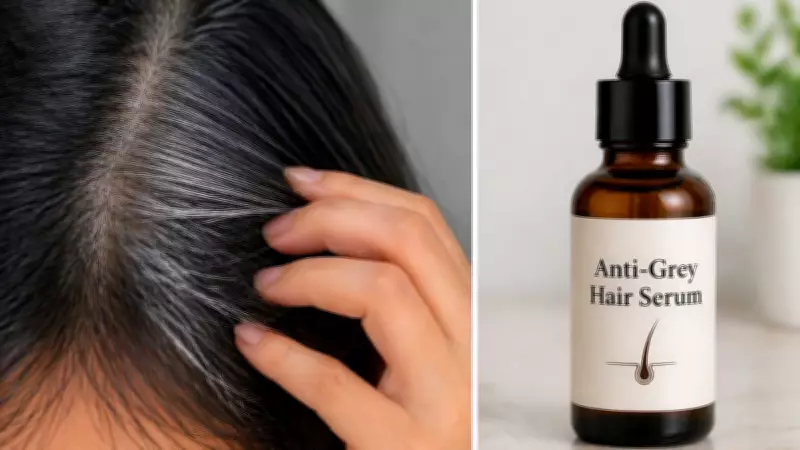
The Truth About Anti-Grey Hair Serums: Can They Reverse Grey Hair?
In recent years, anti-grey hair serums have surged in popularity, promising to combat premature greying and restore natural hair color. But do these products truly deliver on their claims, or are they just another beauty trend? This article delves into the effectiveness of anti-grey serums, examining scientific insights and expert opinions to help you make an informed decision.
How Do Anti-Grey Hair Serums Work?
Anti-grey hair serums typically contain a blend of active ingredients designed to target the root causes of greying. Key components often include:
- Catalase: An enzyme that breaks down hydrogen peroxide, which accumulates in hair follicles and can lead to pigment loss.
- Biotin and Vitamins: Nutrients like B vitamins and biotin support melanin production, the pigment responsible for hair color.
- Natural Extracts: Ingredients such as amla, bhringraj, and ginseng are used in traditional remedies to promote hair health and color retention.
These serums aim to nourish the scalp, reduce oxidative stress, and stimulate melanocytes—the cells that produce melanin. However, their effectiveness can vary based on individual factors like genetics, age, and overall health.

Scientific Evidence and Expert Opinions
Research on anti-grey hair serums is still evolving. Some studies suggest that topical applications with catalase or antioxidants may help slow down greying by neutralizing free radicals. For instance, a 2023 study in the Journal of Cosmetic Dermatology found that serums with specific antioxidants showed modest improvements in hair pigmentation in participants with early greying.
Dermatologists emphasize that while these serums might aid in managing premature greying, they are not a guaranteed cure. Dr. Anjali Sharma, a leading dermatologist, notes, "Anti-grey serums can be beneficial as part of a holistic hair care routine, but they work best when combined with a healthy lifestyle. Genetics play a significant role, so results may vary." Experts recommend using serums consistently over several months to see potential benefits, as hair growth cycles are slow.
Tips for Managing Grey Hair Effectively
If you're considering anti-grey hair serums or other methods to address greying, here are some practical tips:
- Choose Quality Products: Opt for serums with clinically tested ingredients and positive reviews. Avoid products with harsh chemicals that could damage hair.
- Maintain a Balanced Diet: Consume foods rich in vitamins B12, D, and E, as well as minerals like copper and iron, which support melanin production.
- Reduce Stress: High stress levels can accelerate greying. Practices like yoga, meditation, and adequate sleep can help manage stress.
- Protect Hair from Damage: Minimize exposure to UV rays, pollution, and heat styling tools, which can contribute to premature greying.
- Consult a Professional: If greying is a concern, seek advice from a dermatologist or trichologist for personalized recommendations.
While anti-grey hair serums offer a non-invasive option, they are most effective for early-stage greying. For advanced cases, alternatives like hair dyes or supplements might be more suitable.
Conclusion: Are Anti-Grey Serums Worth It?
Anti-grey hair serums can be a valuable addition to your beauty regimen, particularly if you're experiencing premature greying. They work by targeting oxidative stress and supporting melanin production, but results depend on individual factors. By combining these products with a healthy lifestyle and proper hair care, you may see improvements in hair color and overall health. Always approach such treatments with realistic expectations and consult experts for guidance.