

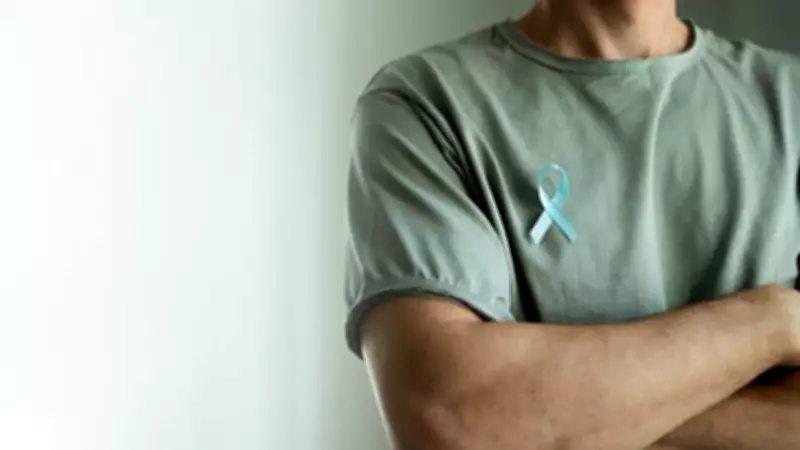
WHO Report: Nearly Half of Global Cancer Cases Could Be Prevented
The World Health Organisation (WHO) has issued a stark reminder on the eve of World Cancer Day, revealing that four out of ten cancer cases worldwide could be avoided through preventive measures. This groundbreaking finding comes from a comprehensive global analysis that identifies specific, modifiable risk factors contributing to the cancer burden.
Three Cancers Account for Half of Preventable Cases
According to the UN health agency, three particular cancer types – lung, stomach, and cervical cancer – are responsible for nearly half of all preventable cancer cases globally, affecting both men and women equally. This data underscores the critical importance of targeted prevention strategies.
Dr André Ilbawi, WHO Team Lead for Cancer Control and lead author of the study, emphasized the significance of this research. "This is the first global analysis to show how much cancer risk comes from causes we can prevent," he stated. "By examining patterns across countries and population groups, we can provide governments and individuals with more specific information to help prevent many cancer cases before they start."

A Comprehensive Assessment of Preventable Causes
Dr Isabelle Soerjomataram, Deputy Head of the IARC Cancer Surveillance Unit and senior author, highlighted the study's comprehensive nature. "This landmark study is a comprehensive assessment of preventable cancer worldwide, incorporating for the first time infectious causes of cancer alongside behavioural, environmental, and occupational risks," she explained. "Addressing these preventable causes represents one of the most powerful opportunities to reduce the global cancer burden."
India's Growing Cancer Challenge: Awareness and Early Detection Key
On World Cancer Day, experts in India emphasized that cancer is no longer a distant or rare disease but a growing public health challenge. Cases are rising steadily across all age groups and geographical regions, creating an urgent need for action.
Dr. Mandeep Singh Malhotra, Director of Surgical Oncology at CK Birla Hospital in Delhi, told TOI Health: "While advances in medical science have significantly improved survival outcomes, the real battle lies in raising awareness, promoting early detection, and ensuring equitable access to timely care. Far too many lives are still lost because cancer is detected late, when treatment becomes more complex and outcomes are uncertain."
Government Initiatives and Healthcare Ecosystem
Dr. Malhotra acknowledged positive steps from the government, noting: "The Government's recent initiatives announced in the Union Budget 2026–27 reflect a strong commitment to reducing India's cancer burden. Enhanced focus on preventive healthcare, expanded screening programmes, improved access to affordable and advanced therapies, and targeted policy support are important steps in strengthening the country's cancer care ecosystem."
Alarming Statistics: India's Cancer Landscape
India reports over one million cancer cases annually, with concerning patterns emerging from recent data. Dr Darshana Rane, Consultant Medical Oncology at HCG Cancer Centre in Borivali, shared critical insights: "According to the Indian Council of Medical Research (ICMR), India registers more than 1.4 million new cases of cancer every year, with 60-70% of these patients being diagnosed with advanced cancer."
Low Screening Rates: A Major Barrier
The primary obstacle to early cancer detection in India remains alarmingly low screening rates. Dr. Rane explained: "According to the National Family Health Survey-5 (NFHS-5), only 1.9% of women aged 30-49 years have ever been screened for breast cancer, and less than 2% have been screened for cervical cancer. There is also a lack of awareness, fear of testing, stigma, and lack of access to healthcare facilities, especially in rural areas, which is why these numbers are low."

Women's Health: Specific Concerns and Risks
Dr. Rane stressed the particular vulnerability of women to cancer in India. "In India, women are at a higher risk of cancer, and breast cancer is the most common type of cancer, while cervical cancer is the second most common cause of cancer-related deaths in women," she noted. "Although high-risk Human Papillomavirus (HPV) is responsible for 70% of cervical cancer cases, cervical cancer can be avoided; yet, underuse of HPV screening and vaccination is a reality."
She further elaborated on contributing factors: "Social stigma, lack of awareness, and socio-economic inequalities are some factors that further hinder the utilization of preventive strategies. Breast cancer is increasing, especially among young women, because of a lack of knowledge about self-examination and screening tests."
Global Findings: 7.1 Million Preventable Cases
The WHO's global report presents staggering numbers: approximately 7.1 million cancer cases in 2022 – representing close to 40% of all cases – could have been prevented through addressing known risk factors.
Leading Preventable Causes Identified
Drawing on data from 185 countries and 36 cancer types, the study identifies:
- Tobacco as the leading preventable cause, responsible for 15% of all new cancer cases globally
- Infections accounting for 10% of cases
- Alcohol consumption contributing to 3% of cases
The report found gender-specific patterns: smoking remained the leading cause of cancer in men, followed by infections and alcohol. Among women globally, infections accounted for 11% of all new cancer cases, followed by smoking at 6% and high body mass index at 3%.
Combating Myths and Misinformation
While awareness and early detection are crucial in controlling cancer spread, addressing misconceptions represents another significant challenge. Dr. Darshana Rane highlighted several persistent myths that hinder effective cancer management.
"Misconceptions still exist that work against early screening and treatment," she stated. "One such misconception is that cancer screening is required only when symptoms occur, while in early-stage cancer, people may not have symptoms. Another myth is that biopsies cause cancer to spread, when in fact there is strong clinical evidence that they are safe and necessary for diagnosis."
She addressed perhaps the most damaging misconception: "The myth that 'cancer means death' is also common, while in fact, early-detected breast and cervical cancers have a survival rate of over 90% if treated on time."
The Path Forward: Awareness and Early Detection
On World Cancer Day, experts unanimously stress that awareness and early detection remain the most effective weapons against cancer, particularly in countries like India where late diagnosis, myths, and taboos continue to drive cancer mortality rates. The WHO's findings provide both a warning and an opportunity – demonstrating that substantial portions of the global cancer burden are preventable through concerted efforts addressing behavioral, environmental, and infectious risk factors.
The combination of global data and local insights creates a powerful roadmap for reducing cancer incidence and improving outcomes worldwide, with particular urgency for nations facing growing cancer challenges alongside healthcare access disparities.





