

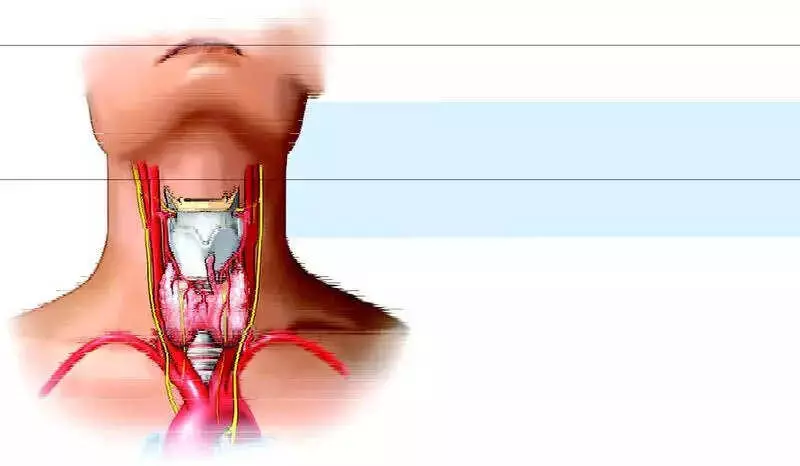
Postpartum Thyroiditis: The Silent Challenge for New Mothers in Bengaluru
"Is it just baby blues, or is the thyroid gland acting up?" This crucial question is being asked with growing frequency by endocrinologists and gynaecologists across Bengaluru as awareness about postpartum thyroiditis increases among medical professionals and patients alike.
The Overlooked Autoimmune Condition
Postpartum thyroiditis represents an autoimmune disorder that frequently goes undiagnosed because its symptoms closely mirror common postpartum experiences. These include weight fluctuations, palpitations, persistent fatigue, noticeable hair loss, episodes of shivering, and depressive moods. The overlap makes it challenging for both women and healthcare providers to distinguish between normal recovery and underlying thyroid dysfunction.
Dr Hema Venkataraman, lead consultant endocrinologist at KIMS Hospitals, provides important context: "On average, about 5% of pregnancies—roughly one in twenty—are affected by postpartum thyroiditis. While some studies suggest prevalence may reach as high as 10%, conservative estimates typically place it around 5%." This translates to between one and six out of every twenty new mothers potentially developing thyroid issues after delivery.

Why Symptoms Get Missed
Dr Venkataraman explains the diagnostic challenges: "New mothers are often navigating sleepless nights, breastfeeding demands, and significant lifestyle adjustments. Weight loss, for instance, commonly occurs during breastfeeding but can also signal the hyperthyroid phase of postpartum thyroiditis, creating confusion that allows the underlying condition to remain hidden."
The identification becomes even more difficult as the condition progresses through its phases. Dr Teji Dawane, senior consultant obstetrician and gynaecologist at Motherhood Hospitals in Whitefield, observes: "Once postpartum thyroiditis shifts from its initial hyperthyroid phase into hypothyroidism, women may experience weight gain, dry skin, persistent hair fall, fatigue, cold intolerance, low mood, and general sluggishness. These manifestations are routinely attributed to the postpartum phase, leading many women to dismiss them entirely."
She adds that women frequently continue attributing their discomfort to "just postpartum changes," completely missing the underlying autoimmune condition that requires medical attention.
Changing Awareness Patterns
While awareness remains limited among the general public, medical recognition has improved in recent years. Dr Dawane notes this shift: "In my eighteen years of practice, I have observed more cases of postpartum thyroiditis during the last six years. Unlike previous patterns where symptoms were often disregarded, there is now greater clinical suspicion, though stress factors might also be contributing to the apparent rise."
Dr Venkataraman highlights an interesting diagnostic difference: "Indian women often undergo testing earlier than their Western counterparts. In Western countries, patients typically present with symptoms first before being advised for blood tests. In India, many women arrive at consultations with abnormal thyroid reports already in hand, facilitating earlier intervention."
The Critical Importance of Timely Treatment
Dr Mahesh D M, senior consultant in endocrinology at Aster CMI Hospital, clarifies the medical definition: "This condition refers to thyroid dysfunction occurring within one year of delivery. It typically manifests in two distinct phases."
He elaborates: "The first phase involves thyrotoxicosis, during which some women may experience weight loss, palpitations, tremors, or shivering, though others remain asymptomatic. This phase features low TSH levels and elevated T4 levels resulting from thyroid gland inflammation."

"Following this initial phase," he continues, "thyroid function may briefly normalize before transitioning into a hypothyroid phase. This phase can persist from six months to one year, extending up to eighteen months post-delivery in some cases. Approximately 70% of women recover completely with normal thyroid function restoration. However, 20-30% may develop subclinical hypothyroidism with elevated TSH levels requiring medication. A smaller percentage may progress to permanent hypothyroidism."
Risks of Delayed Diagnosis
Medical specialists warn that unrecognized or untreated postpartum thyroiditis can quietly evolve from a temporary, manageable condition into a long-term health concern. Untreated thyroid dysfunction can significantly diminish quality of life, exacerbate stress and mood disorders, and complicate future pregnancies.
To prevent diagnostic delays, specialists recommend that all women—regardless of whether they experienced thyroid issues during pregnancy—undergo basic blood testing six to eight weeks after delivery.
Addressing Misinformation
Dr Venkataraman cautions against prevalent misinformation: "Since thyroiditis is autoimmune in nature, no scientifically proven prevention method exists. Claims about reversing thyroid disease through dietary changes, exercise regimens, massage therapies, or supplements lack robust scientific support. Developing postpartum thyroiditis does not represent a failure of lifestyle choices."
This comprehensive understanding emphasizes the need for greater awareness, timely testing, and evidence-based management of postpartum thyroiditis among Bengaluru's healthcare providers and new mothers.





