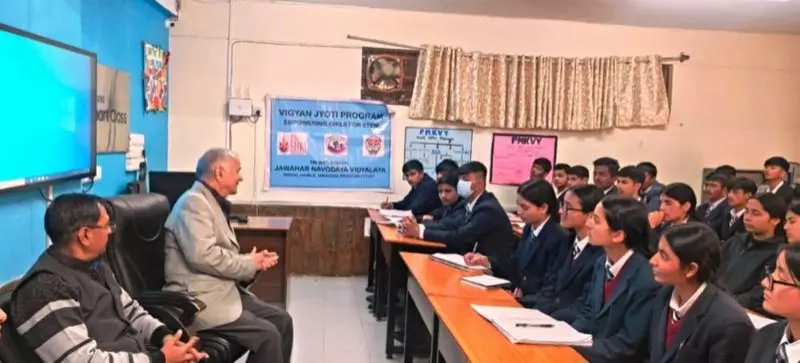
Students from Jawahar Navodaya Vidyalaya (JNV) across Himachal Pradesh recently embarked on an educational journey through time, exploring the fascinating history and cultural legacy of the Western Himalayas. This immersive learning experience took place at a specialized museum, offering young minds a unique window into the region's rich heritage.
Interactive Museum Sessions Bring History Alive
The educational initiative saw participation from JNV students from various districts including Chamba, Kangra, and other regions of Himachal Pradesh. Through carefully curated museum displays and expert-guided sessions, students delved into the diverse aspects of Himalayan civilization that have shaped the mountain communities over centuries.
What made this learning experience particularly impactful was the hands-on approach to historical education. Rather than simply reading about the past in textbooks, students interacted with artifacts, examined traditional crafts, and learned about the geographical significance of the Himalayan range. The sessions covered multiple dimensions of regional history, from ancient trade routes to traditional agricultural practices that have sustained mountain communities for generations.

Connecting Youth With Regional Heritage
The program specifically focused on making historical knowledge accessible and engaging for young learners. Educators designed the sessions to help students understand how the Western Himalayas have evolved culturally, socially, and environmentally. This included learning about indigenous communities, their traditional knowledge systems, and how they've adapted to the challenging mountain terrain.
One of the key objectives was to help students appreciate the cultural diversity within the Himalayan region. The sessions highlighted how different communities developed unique traditions, art forms, and lifestyles while sharing the common mountain environment. This understanding of regional diversity within unity proved particularly enlightening for the participating students.
Educational Impact and Future Implications
The museum visit represented more than just a field trip—it served as an important educational bridge connecting classroom learning with tangible cultural heritage. For many students, this was their first systematic exposure to the comprehensive history of their own region, making the experience both educational and personally meaningful.
Educators observed that such experiential learning opportunities significantly enhance students' understanding of their cultural roots. By physically interacting with historical representations and learning through multiple senses, students developed a deeper connection to the material than traditional classroom methods typically allow.
The program also emphasized the importance of preserving Himalayan heritage for future generations. As modernization reaches even the most remote mountain communities, understanding and valuing traditional knowledge becomes increasingly crucial. The students' enthusiastic response suggests they're ready to become custodians of this valuable heritage.
This educational initiative demonstrates how museums can serve as dynamic learning spaces rather than mere repositories of artifacts. By actively engaging young minds with regional history, such programs help create more informed and culturally aware citizens who appreciate their heritage while navigating modern challenges.