Exam Superstitions: Students' Luck Rituals from Swastik to Chocolate
As board examinations for the Uttar Pradesh Madhyamik Shiksha Parishad (UP Board), Central Board of Secondary Education (CBSE), Indian Certificate of Secondary Education (ICSE), and Indian School Certificate (ISC) progress across the country, a fascinating trend has emerged. Students are quietly bringing their own unique "luck rituals" into examination halls, ranging from drawing religious symbols to consuming specific foods, all in an effort to boost confidence and manage stress.
Rituals with Answer Sheets and Question Papers
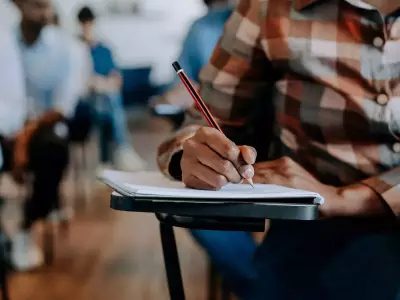
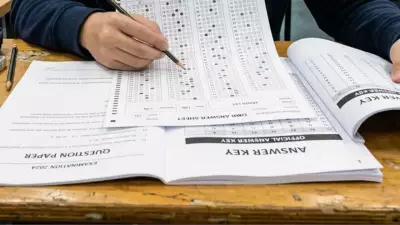
Many students begin their exam rituals with the answer sheet itself. Ankit Singh, a UP Board student, draws a small ‘swastik' on the first page before writing his initial answer, believing it brings good fortune. Meanwhile, Maitri Gupta, an ICSE student, taps the question paper three times before reading it, a practice she says helps her focus. Satwik Prakash, appearing for ISC exams, folds the top corner of the last page after finishing, calling this his personal "mark of completion" that signifies the end of a challenging task.
Personal Habits and Superstitions
Beyond paper-based rituals, students have developed various personal habits. Isha Agrawal, taking ICSE papers, makes sure to step into the examination hall with her right foot first to set a positive tone for the day. Avni Singh, an ISC student, has avoided cutting her hair until all her exams conclude, claiming this keeps her mind sharp and focused on her studies.

Faith and Familiarity in Exam Routines
Faith and familiarity play significant roles in these practices. Priyansh Verma, an ICSE student, whispers ‘Jai Mata Di' before opening his answer booklet, seeking divine blessings for success. In a more tangible ritual, Nimisha Malhotra, a CBSE Class X student, eats the same brand of chocolate before every paper, describing it as her "exam trigger" that helps her transition into exam mode.
Expert Insights on Psychological Anchors
Psychiatrists and education experts explain that these rituals act as psychological anchors, providing students with a sense of control in high-pressure situations. Dr. Pawan Kumar Gupta, a noted psychiatrist, commented, "For many students, these small traditions may not change the questions on the paper, but they strengthen belief and confidence at a crucial moment. They serve as coping mechanisms that reduce anxiety and enhance performance by creating a familiar routine."
Students themselves acknowledge that these beliefs help them stay calm under pressure. As board exams continue, these peculiar practices have become an integral part of their examination routine, blending tradition, superstition, and modern psychology in the quest for academic success.