PAU Kisan Mela Draws Farmers to Patiala for Sustainable Agriculture Insights
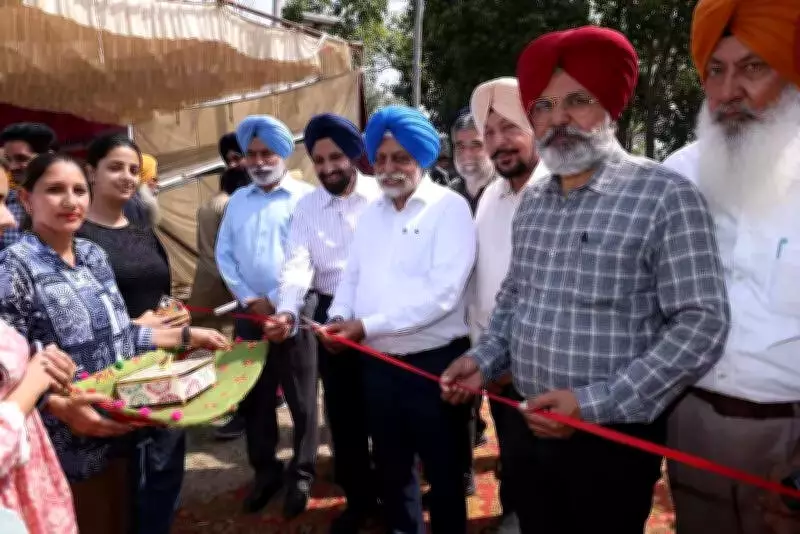
The Punjab Agricultural University (PAU) successfully organized a Kisan Mela at the Krishi Vigyan Kendra (KVK) in Rauni, Patiala, attracting a substantial crowd of farmers keen to explore emerging agricultural technologies, enhanced crop varieties, and sustainable farming methodologies. This event was a key component of PAU's outreach initiative, designed to equip farmers with scientific guidance, practical demonstrations, and direct engagement with agricultural experts ahead of the upcoming kharif cropping season.
Vice-Chancellor Announces Major Initiatives and Visits Exhibitions
Vice-Chancellor Satbir Singh Gosal personally inspected the field demonstrations and agro-industrial exhibition, which featured improved crop varieties, advanced farm machinery, precision farming technologies, and water-conservation practices. During his visit, Dr. Gosal made a significant announcement: starting this academic year, PAU has reserved 10% of seats in its B.Sc Agriculture program exclusively for rural students who reside in villages and have completed their Class 10 education from village schools.
Dr. Gosal emphasized the critical role of farmer feedback in refining university-developed varieties and technologies. He highlighted that Patiala is unique in Punjab for hosting three PAU centers—the Krishi Vigyan Kendra (KVK), the Fruit Research Station, and the Farm Advisory Service Centre—placing a special responsibility on district farmers to protect the environment and embrace sustainable practices. He encouraged farmers to visit experimental fields showcasing various rabi crops to identify the best-suited varieties for their farms.

Upcoming Processing Centre and Crop Diversification Advice
In further developments, Dr. Gosal revealed plans to establish a processing centre at KVK Rauni, equipped with grading and processing machinery, expected to be operational within the next two to three months. Regarding basmati cultivation, he issued a caution against using ten pesticides banned by PAU due to residue concerns that could harm export prospects. Instead, he recommended seed treatment with bio-pesticides as a safer alternative.
To promote agricultural diversification, Dr. Gosal urged farmers to gradually shift away from the traditional paddy-wheat cycle and adopt crops like sugarcane, moong, and mash using PAU-recommended varieties. He also noted that PAU agriculture graduates often secure admissions to prestigious universities abroad, advising families to avoid spending money on agents and instead support their children in pursuing education and building legitimate careers through proper academic channels.