Karnataka High Court Upholds CBSE's Disciplinary Action in Mobile Phone Exam Case
The Karnataka High Court has delivered a significant ruling, upholding the Central Board of Secondary Education's (CBSE) punishment for a Class 12 student who was discovered with a mobile phone during a board examination. This decision reinforces the board's strict stance on maintaining exam integrity and discipline.
Details of the Incident and Court Proceedings
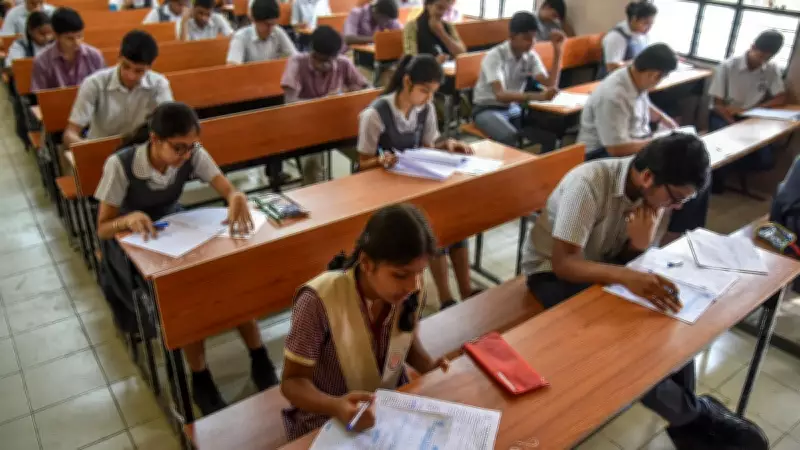
During the board examination, the student was found in possession of a mobile phone, which is strictly prohibited under CBSE regulations. In response, the invigilators immediately seized the device. Following standard protocol, the student was provided with a fresh question paper and answer script to complete the exam under supervision.
Subsequently, the student filed a petition challenging the CBSE's disciplinary measures. The Karnataka High Court, after reviewing the case, dismissed the petition. The court emphasized that the CBSE's actions were justified and in line with established rules to prevent malpractice and ensure fair conduct in examinations.

Implications for Exam Conduct and Student Accountability
This ruling highlights several critical aspects of exam administration:
- Strict Enforcement of Rules: The court's decision underscores the importance of adhering to CBSE guidelines, which explicitly ban electronic devices like mobile phones during exams to curb cheating.
- Procedural Fairness: By providing a fresh question paper and answer script, the CBSE demonstrated a balanced approach, allowing the student to continue the exam while addressing the violation.
- Legal Precedent: This case sets a precedent for similar incidents, reinforcing that courts will support educational boards in enforcing disciplinary measures to uphold exam integrity.
The judgment serves as a reminder to students and educational institutions about the serious consequences of violating exam rules. It aligns with broader efforts to maintain the credibility of board examinations, which are pivotal for academic and career progression.