Expert Guidance for Managing Exam Stress and Enhancing Performance
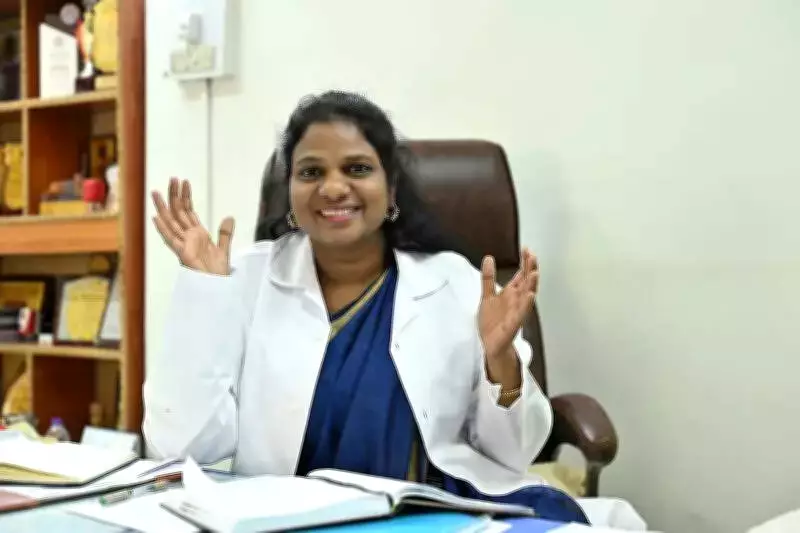
Amid the ongoing board exam season, R Anitha, medical superintendent at the Institute of Mental Health in Hyderabad, emphasizes the importance of maintaining calm to achieve excellence in examinations. She advises students to shift their focus from mere marks to their broader future prospects, highlighting that tension is a primary cause of the "blank mind" phenomenon during tests.
Memory Offloading Techniques to Prevent Mind Blanks
To combat the issue of a blank mind, Anitha recommends specific "memory offloading" strategies. Students should stop worrying about forgetting answers and instead build confidence through preparation techniques like mnemonics or simple rules that aid systematic recall. Just before an exam, practicing deep breathing—inhaling and exhaling deeply—even before looking at the question paper can help center the mind. It is crucial not to rush into answering immediately; instead, start with easier questions to prevent mental blockage and gradually tackle more challenging ones. The key is to remain calm and accept that not all questions may be answerable, focusing on what can be done.
Supporting Students' Mental Health as a Tutor
For tutors of Class 10 students, Anitha stresses understanding that stress is normal, distinguishing between good stress that motivates and bad stress that burdens. To manage this, encourage breaks: study for 45 minutes followed by a 10-15 minute rest to avoid exhaustion. Emphasize that effort outweighs results, avoid comparisons with peers, and ensure time for physical activity and adequate sleep. Parents and tutors should collaborate to maintain a calm environment, reminding students of their worth beyond academic performance.

Managing Mobile Phone Use During Exams
Regarding mobile phone restrictions, Anitha advocates a collaborative approach rather than imposing one-sided rules. Discuss with children to reach a compromise, setting fixed times for phone usage to allow relaxation while keeping devices away during study periods. Offer alternatives like music or games, and explain how phone use can impact preparation, fostering understanding rather than resentment.
Improving Retention and Learning Techniques
For students struggling with retention, Anitha notes that engagement in movies or TV shows comes from relaxed, story-based formats. To make studies more interesting, use visual cues, encourage explaining concepts to others, and vary subjects daily to avoid monotony. Avoid distractions and continuous instructions to enhance focus.
Quick Learning and Time Management Tips
For those preparing for board exams, Anitha advises against learning new concepts at this stage; instead, focus on revision. There are no shortcuts, but techniques like mnemonics, associative learning, and mind mapping can aid memory. Create a daily and monthly plan, tackle difficult topics early, and practice time management to reduce last-minute pressure.
Motivation for Job Seekers and Handling Interview Stress
For individuals like BTech graduates facing interview failures, Anitha suggests focusing on effort rather than outcomes, as results are often beyond control. Review performance after each interview, work on presentation skills and body language, and consider psychiatric help if depression persists, emphasizing that seeking support is beneficial.
Addressing Anger and Refusal to Study
When children show anger or refuse to study, identify underlying causes such as coping difficulties or learning issues. Implement a structured timetable, starting with short study sessions and gradually increasing duration. Use positive reinforcement and avoid criticism to foster a supportive environment.
Managing Anxiety and Burnout Signs
For students studying long hours but still anxious, Anitha recommends smart learning: identify important chapters based on weightage and take mock tests to reduce anxiety through exposure. Early signs of burnout include headaches, irritability, and sleep problems; parents should intervene by allowing breaks and not pushing study during illness.

Handling Peer Pressure and Comparison
To manage peer pressure, encourage students to distance themselves from negative influences and connect with motivating friends. Remind them to compete with themselves, avoid discussions about marks, and focus on personal growth rather than comparisons.
Quick Calming Techniques for Panic Attacks
For panic attacks before or during exams, use grounding techniques like listing sensory experiences or practicing deep breathing and progressive muscle relaxation. If attacks occur before an exam, splash cold water on the face; during the test, start with easy questions. Seek psychiatric help for persistent panic disorders.
Avoiding Overthinking After Exams
To prevent overthinking post-exam, avoid discussing the paper for 24 hours and focus on preparing for the next one. Later, review mistakes to avoid repetition, emphasizing time management during tests.
Improving Focus in Distracting Home Environments
Enhance focus by maintaining a fixed timetable, decluttering the study area, and minimizing distractions like TV or conversations. Family support is key to reducing noise and avoiding gatherings during exam periods.
Building Confidence After Poor Pre-Finals
For students worried about poor pre-final performance, explain that these tests are diagnostic tools to identify weak areas. Use feedback to improve, focus on weaker subjects, and practice previous years' papers to build confidence for board exams.