From Online IIT Madras to Harvard: How Shreya Singhal Redefined Education
The year 2021 dramatically transformed classrooms across India, as lecture halls fell silent, attendance sheets migrated to virtual platforms, and students found themselves gazing at screens, questioning the real-world relevance of their studies beyond examination halls. Amid this educational upheaval, Shreya Singhal emerged as a compelling example of resilience and innovation.
A Disillusioned Student Seeks More
While pursuing her on-campus computer application course, Shreya Singhal grew increasingly disenchanted. Although the curriculum met syllabus requirements, it struggled to keep pace with rapid industry advancements. She recognized that data science, programming proficiency, and statistical thinking had evolved from optional skills to essential competencies, yet her course offered limited practical experience in these critical areas.
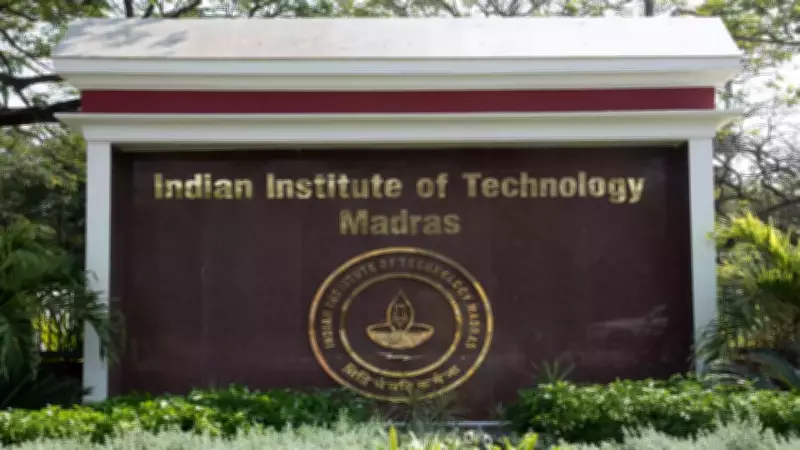
This restlessness propelled her to enroll in the IIT Madras BS Degree in Data Science and Applications, offered by the prestigious Indian Institute of Technology Madras. For Shreya, this decision transcended merely adding an IIT credential to her résumé; it represented a deliberate test of whether an online degree could match the intellectual rigor of traditional campus education.

Reclaiming Mathematics and Building Foundations
One pivotal choice that had long cast a shadow over her academic trajectory was abandoning Mathematics after Class 10. India's rigid educational framework often penalizes such decisions, limiting future opportunities in technical fields. However, the IITM BS program provided a fresh start, beginning concepts from scratch without stigma.
The program was intentionally challenging, featuring carefully layered concepts, demanding assignments, and serious examinations. Shreya discovered not an easy path to success, but a structured system that empowered her to rebuild her mathematical foundation comprehensively. She pursued two degrees simultaneously, studying late into nights and relying on peer support to master overwhelming concepts.
Through the program's campus event called Paradox, she connected with a friend who became an informal tutor, demonstrating that online education could foster genuine community. "When you have the fire to go beyond what the world says is possible, then you just put in everything that you have," Shreya reflected in an interview with Business Insider.
Bridging the Online and Campus Divide
An unexpected opportunity arose when Shreya was selected as a Teaching Assistant for the Python course, which physically brought her to the IIT Madras campus. This role effectively bridged the perceived gap between online and on-campus student communities, allowing her to interact directly with students, fulfill academic responsibilities, and immerse herself in the culture of a premier Indian institution.
She further integrated by joining the campus Drama Club, directing a stage play, and coordinating a collaborative theatre project between the on-campus society and Aayam, the drama society of the IITM BS program. These experiences built connections where others saw divisions.
Her most significant breakthrough occurred subtly while assisting with coursework, where she identified a gap in ongoing research. Taking initiative without waiting for direction, she uncovered a profound interest in research that would shape her future path.
Academic Ascension and Critical Insights
Shreya's progression was organic yet earned through dedication: a research internship at the Indian Institute of Science followed by a Master’s degree in Education at Harvard University. Today, as an education consultant with international experience, she evaluates online programs critically.
She observes that many online degrees falter by attempting to replicate campus life without enforcing its discipline. In contrast, the IITM BS Degree distinguishes itself by maintaining uncompromising standards. Proctored, in-person examinations ensure credibility, a layered curriculum guarantees depth, and peer networks with optional campus engagement foster belonging. This model uniquely combines autonomy with academic seriousness.

Shreya notes that India's higher education ecosystem often leaves passionate students seeking more, especially in skill-based domains like data science. The IITM program addressed this gap realistically, without promising unattainable outcomes. It restored her confidence in subjects she once considered inaccessible, exposed her to research as a vibrant pursuit, and proved that online education, when designed with intent and rigor, can expand rather than limit academic opportunities.
While lockdowns confined physical campuses, for Shreya Singhal, they opened a door she hadn't realized remained within reach, illustrating how innovative educational models can transform lives in India's evolving academic landscape.